Wilted hydrangea in a vase: how to try to revive it
If a cut hydrangea goes limp, recut the stem and try soaking it in cool water for about 45 minutes before returning it to a clean vase. Check how firm it is after an hour: it may improve if it is dehydrated, but recovery is not guaranteed.
An hour to try to revive it, with no promise of miracles
If one hydrangea has gone soft and droopy while the rest of the bouquet is fine, start by checking the water and the base of the stem. In the shop, when we prepare these flowers, we check each flower head: if one is wilting, there is no need to dismantle the whole bouquet.
A hydrangea loses firmness when it loses more water than it manages to take up. The leaves and the flower head both play a part in that loss; a single hydrangea can wilt while the others stay firm.
Use the first hour for one methodical attempt to revive the flower. Take a photo beforehand, separate the affected flower and avoid adding several remedies at once. The aim is to see whether it regains firmness, not to force it to look freshly cut.
If you see soft, dark tissue or a snapped stem, set that flower aside to look at it. A soak does not mend a break. And do not mistake a mature head that is starting to feel papery for a freshly dehydrated one: look at what has changed since you put it in water.
The rescue attempt, step by step
Get ready a clean container that takes the head without squashing it, cool tap water and clean, sharp secateurs. Work only on the affected hydrangea: the roses or alstroemeria in the bouquet can stay in their vase.
- First few minutes: strip and trim. Remove the leaves that would sit under water and refresh the base of the stem with a clean cut. As a practical measure you can take off about 2 cm if there is enough length.
- Up to about 45 minutes: try the soak. Lay the head and stem in cool, clean water, without pressing the florets against the bottom.
- Taking it out: let it drip gently. Lift the flower by the stem, let the excess run off and do not shake it.
- Leave it in the vase for the rest of the hour. Return the stem to clean water and stand the vase somewhere cool, out of the sun.
Soaking the flower and stem for 45 minutes appears as an alternative in the guide from the North Country Master Gardener Volunteers. Oregon State University Extension also considers submerging a cut hydrangea in cold water.
The way that first hour is divided up is a practical guide for organising the attempt, not a proven recovery time for every bouquet. Compare the first photo with the result and gently touch part of the head: you are looking for it to feel firm again.
Why a fresh cut matters
The stem is the main route by which water gets in from the vase. Its vessels can become blocked; one study of cut hydrangeas notes that trimming the base under water can allow wilted flowers to recover, although that particular observation is presented as unpublished data.
Make a clean cut and put the cut end straight into water. If you choose to cut under water, use a separate, clean container where you can handle the secateurs safely. Do not work blind inside a tightly packed bouquet.
Do not crush the base with a hammer as a first resort. The RHS warns that smashing woody stems can increase the risk of bacterial infection and is usually unnecessary.
When the attempt is over, keep enough length to hold the flower in place. If the stem has ended up very short, use a small container for that hydrangea and leave the rest of the bouquet in the original one.
Does it really drink through its petals?
The large coloured parts that look like petals are in fact decorative sepals. Studies of hydrangea show that transpiration from the flower head affects how long it lasts in a vase.
‘It drinks through its petals’ is a common saying among florists, but the mechanism is not as clear as it is usually made out to be. The American Chemical Society examined the claim in its Tiny Matters podcast and explained that it had not found enough sources to establish how that surface absorption works.
That is why we distinguish between a practical tip to soak the flower and a proven physiological explanation. You can try the soak the guides recommend without assuming it replaces the stem as the supply of water.
The boiling-water trick: only the base, and very briefly
Oregon State includes boiling water among the possible treatments for cut hydrangeas. The North Country guide specifies dipping the end of the stem for 30 seconds, followed immediately by water at room temperature.
If you decide to try it, do so with one stem and after the simple hydration attempt:
- Use a heatproof, stable container standing on a clear surface.
- Pour in a small amount of freshly boiled water and treat only the bottom end, with the head well away from the steam.
- Time the 30 seconds with a timer and move the base straight into water at room temperature.
- Keep your hands away from the water and do not hold the hot container while you handle the flower.
Never put the head in boiling water or fill the bouquet’s vase with it. We present this treatment as an option described in guides, without promising that it cures every case of wilting or claiming that it ‘clears a plug of sap’ every time.
Alum: a remedy that gets mentioned, not a guaranteed fix
Alum appears in conditioning advice: Oregon State mentions a floral gel containing alum, and North Country suggests applying alum to the freshly cut stem end. Those pages offer neither an experimental comparison nor a standard dose for home use.
Our advice is to start with a clean container, a new cut and hydration. Do not measure amounts by eye or mix alum, sugar and other products while you are trying to work out what is going on.
Stop it wilting again
Cut back the foliage the arrangement does not need. In a FloraLife trial, removing leaves improved the hydrangea’s water balance and vase life; the improvement observed does not let anyone predict how many more days your bouquet will last.
Check that every stem end is still under water. Change the water regularly and clean the vase; avoid submerged leaves, heat and direct sun. This is general care recommended by Purdue for cut flowers. You can build the routine around our tips for making a bouquet last longer.
What to look for when buying hydrangeas
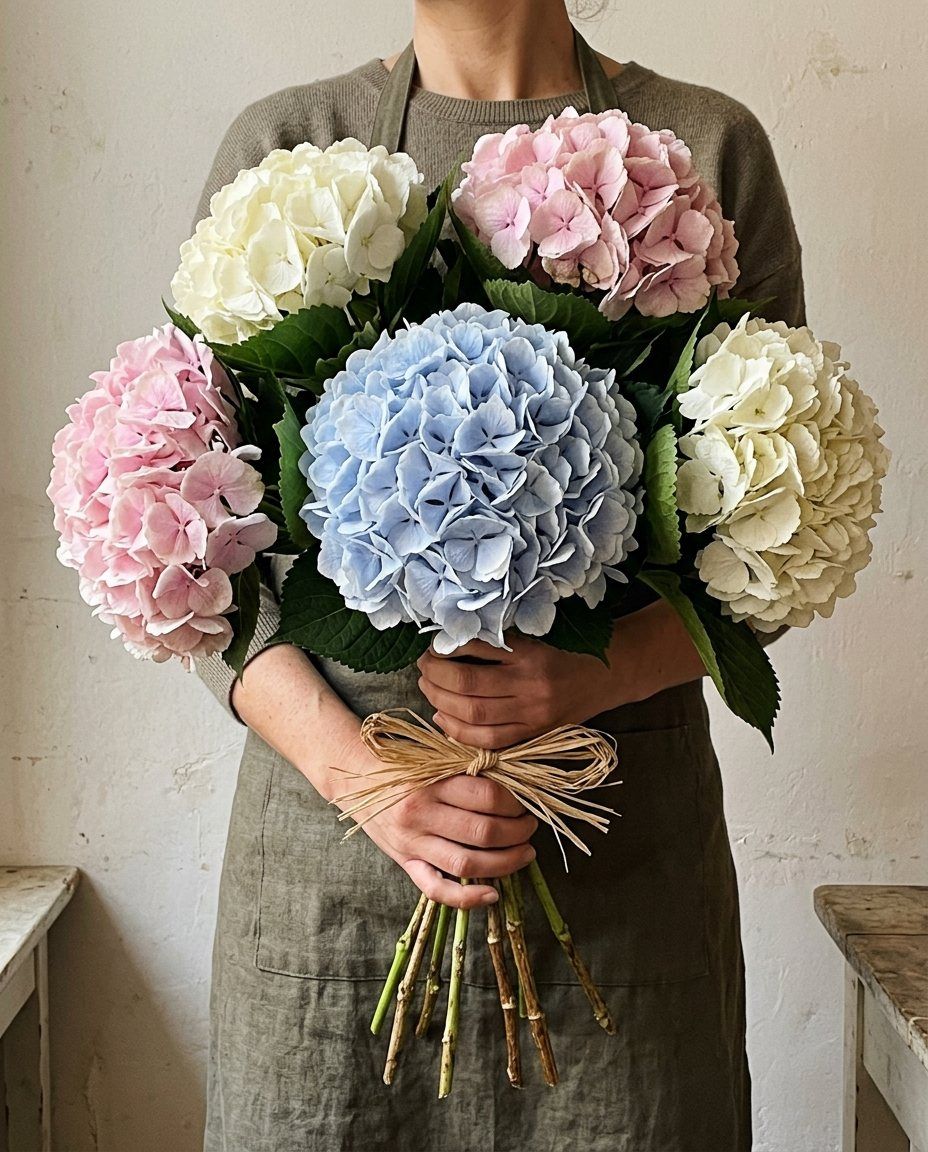
Look for firm heads and undamaged stems, and say whether you need the bouquet for today or for another date. For garden hydrangeas grown for cutting, Oregon State recommends waiting until the head is more mature: a newly opened flower is not always the best candidate.
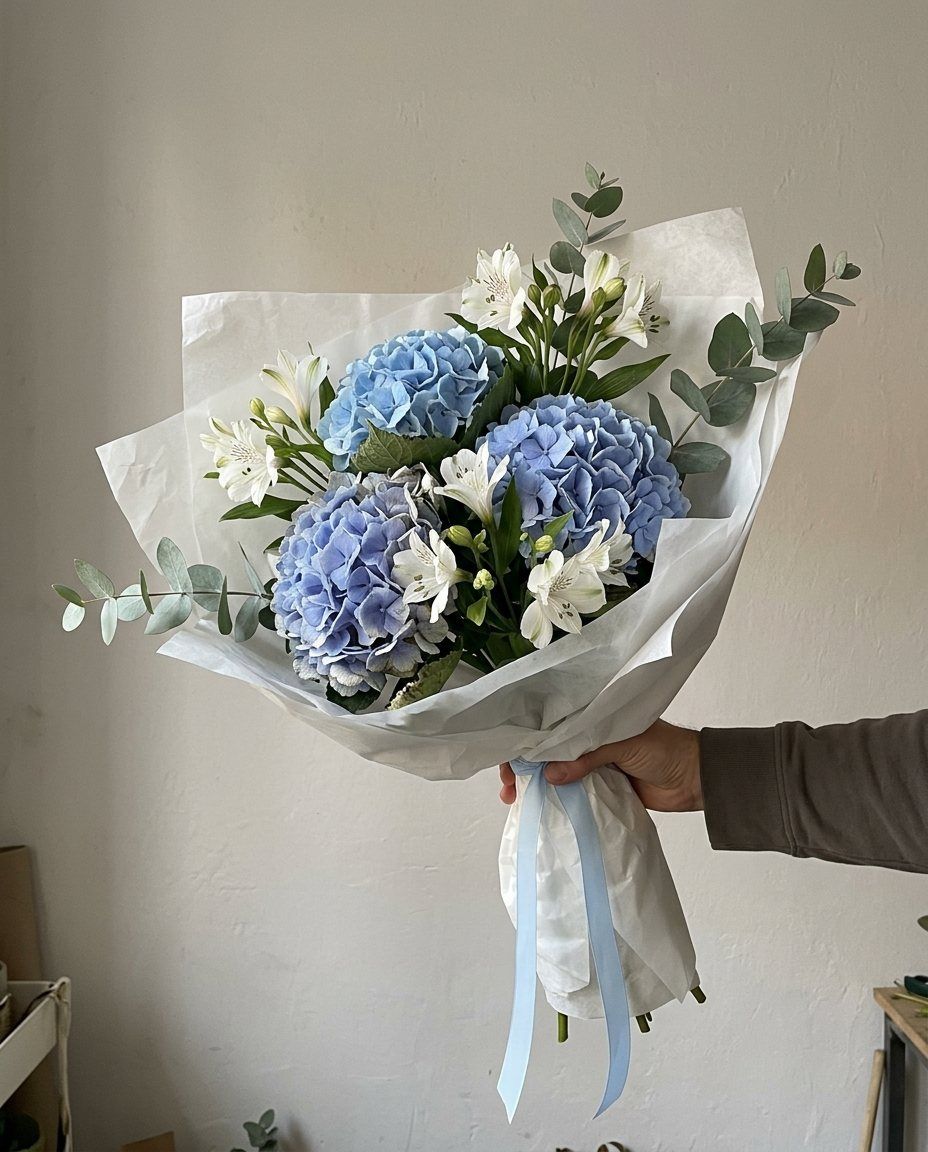
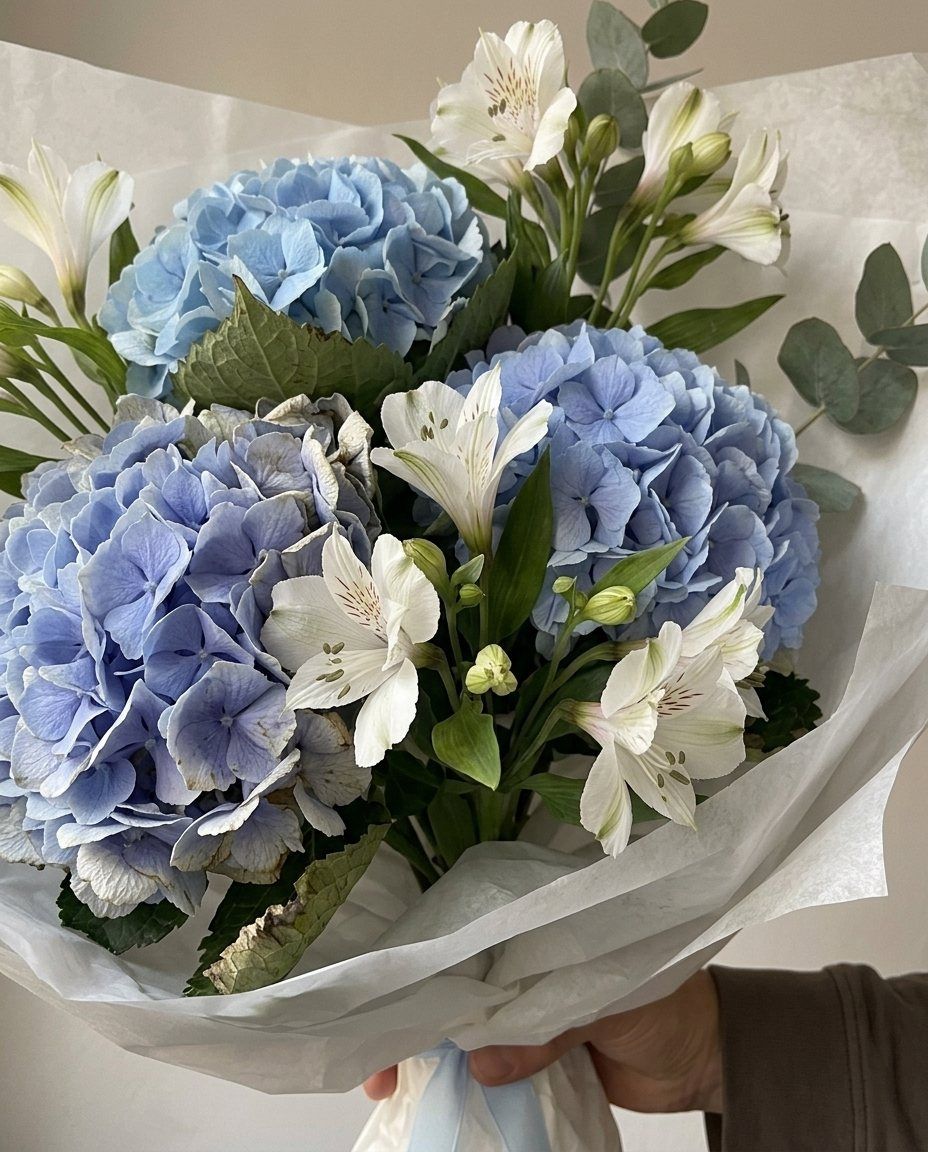
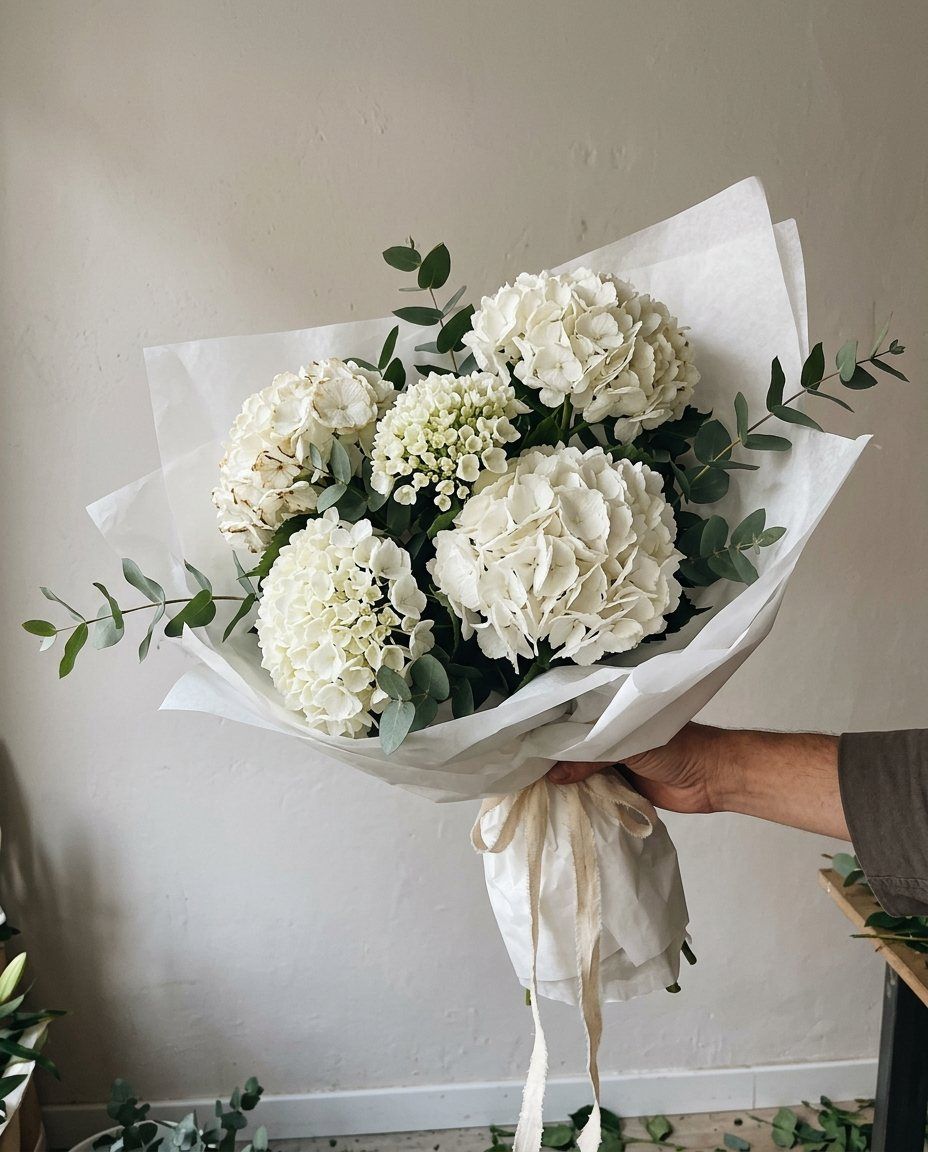
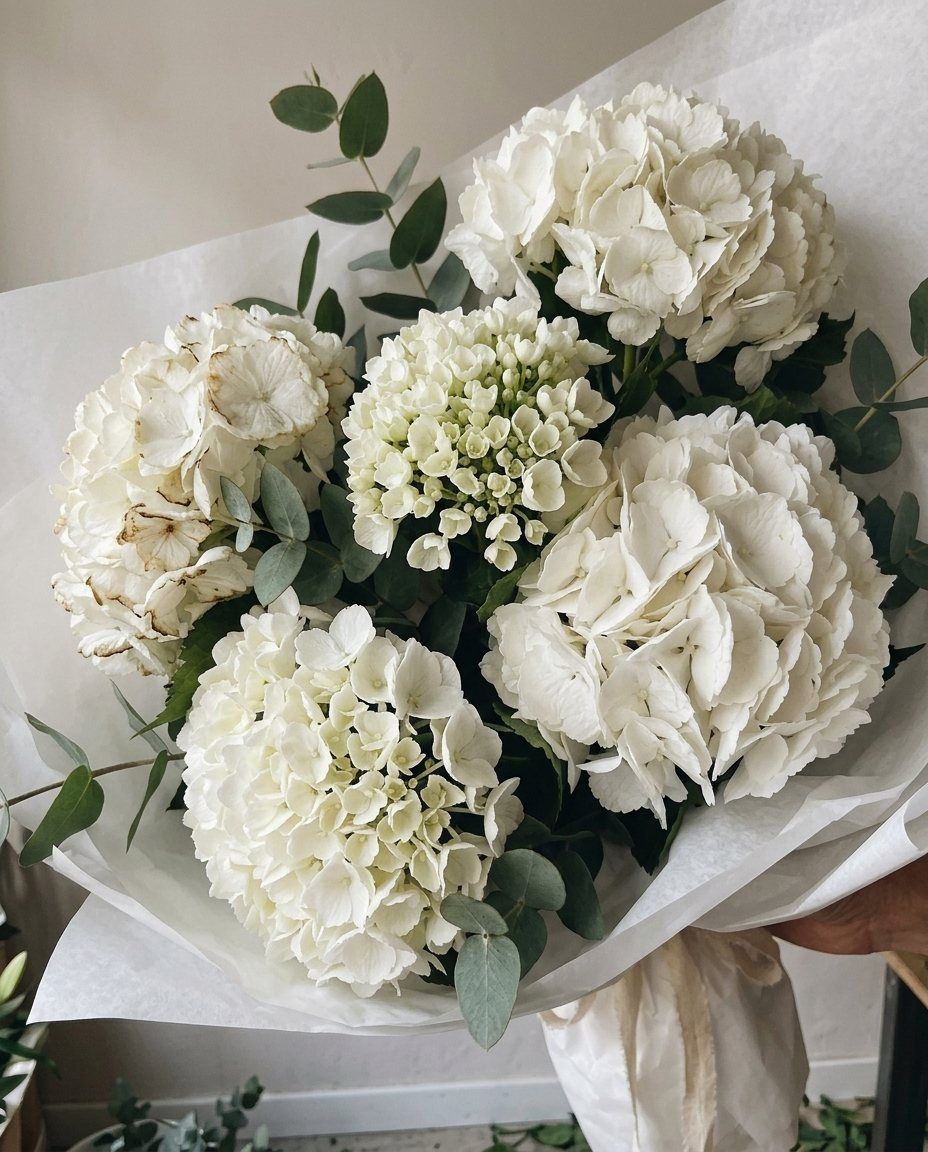
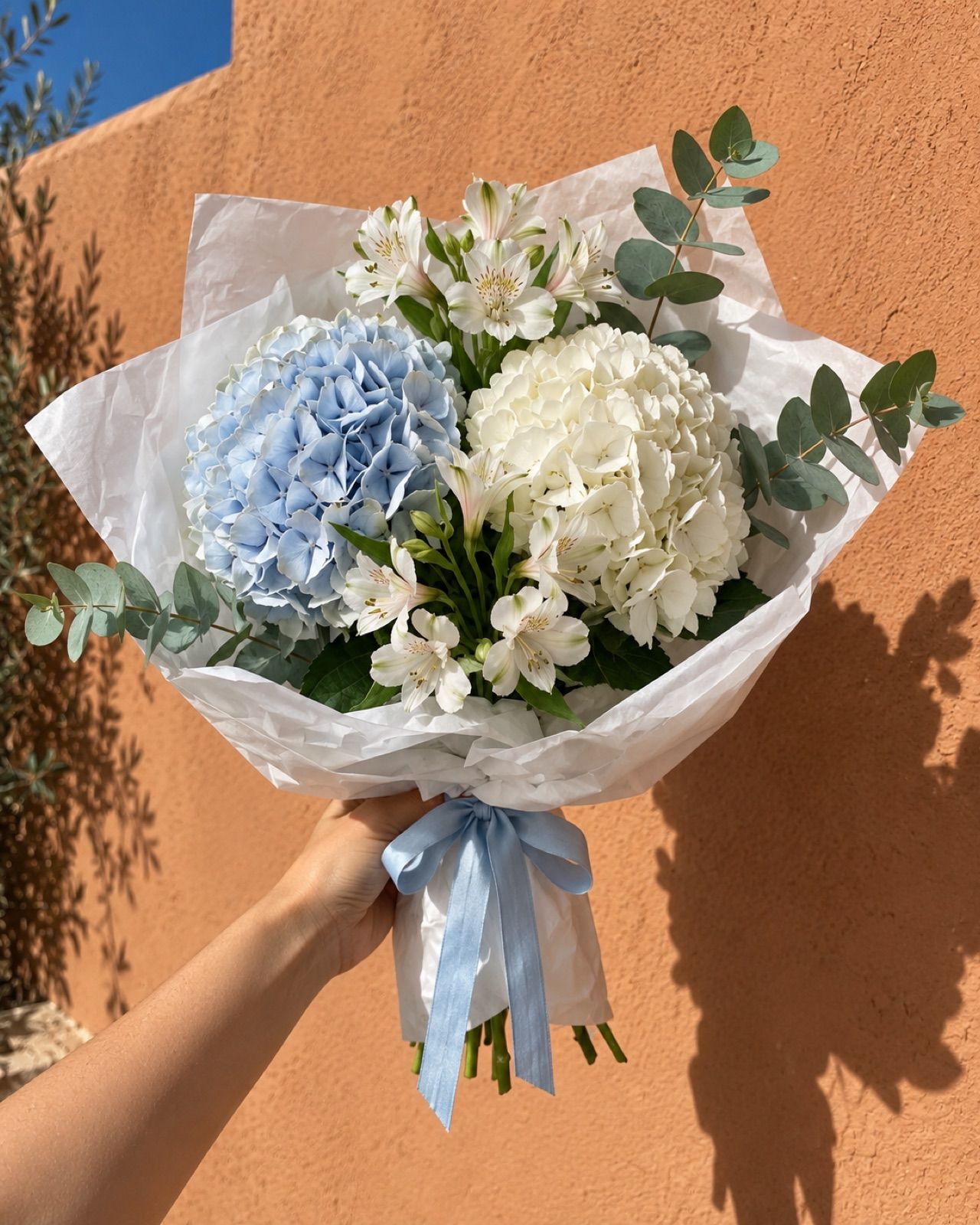
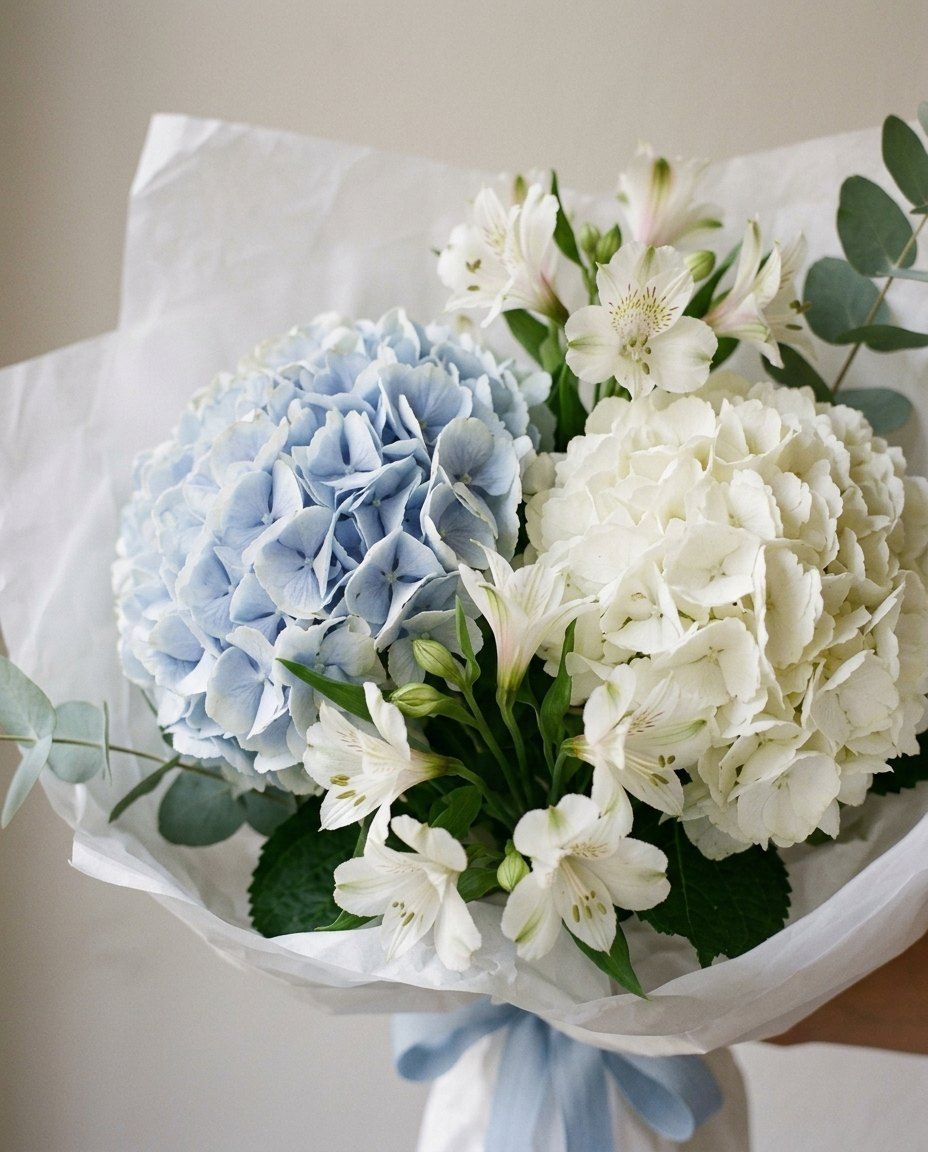
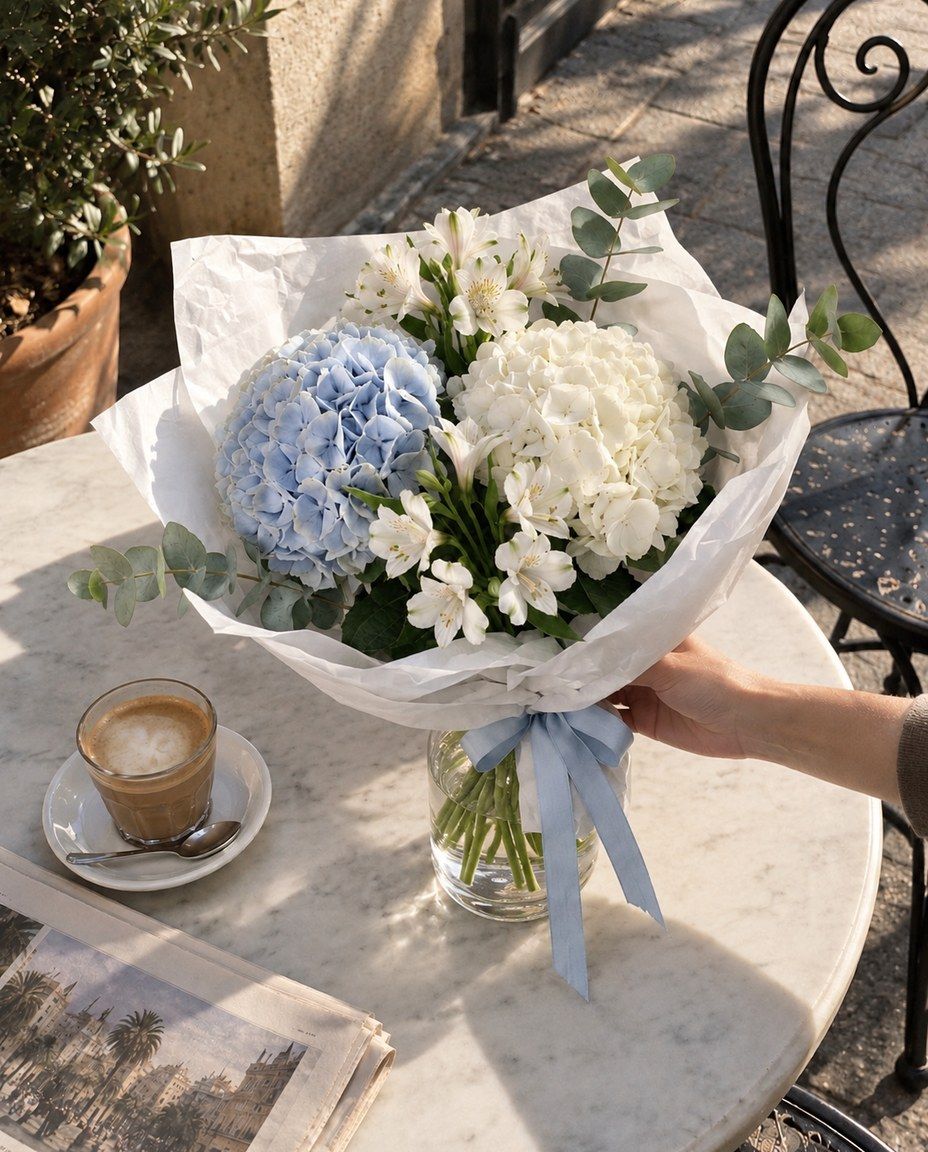
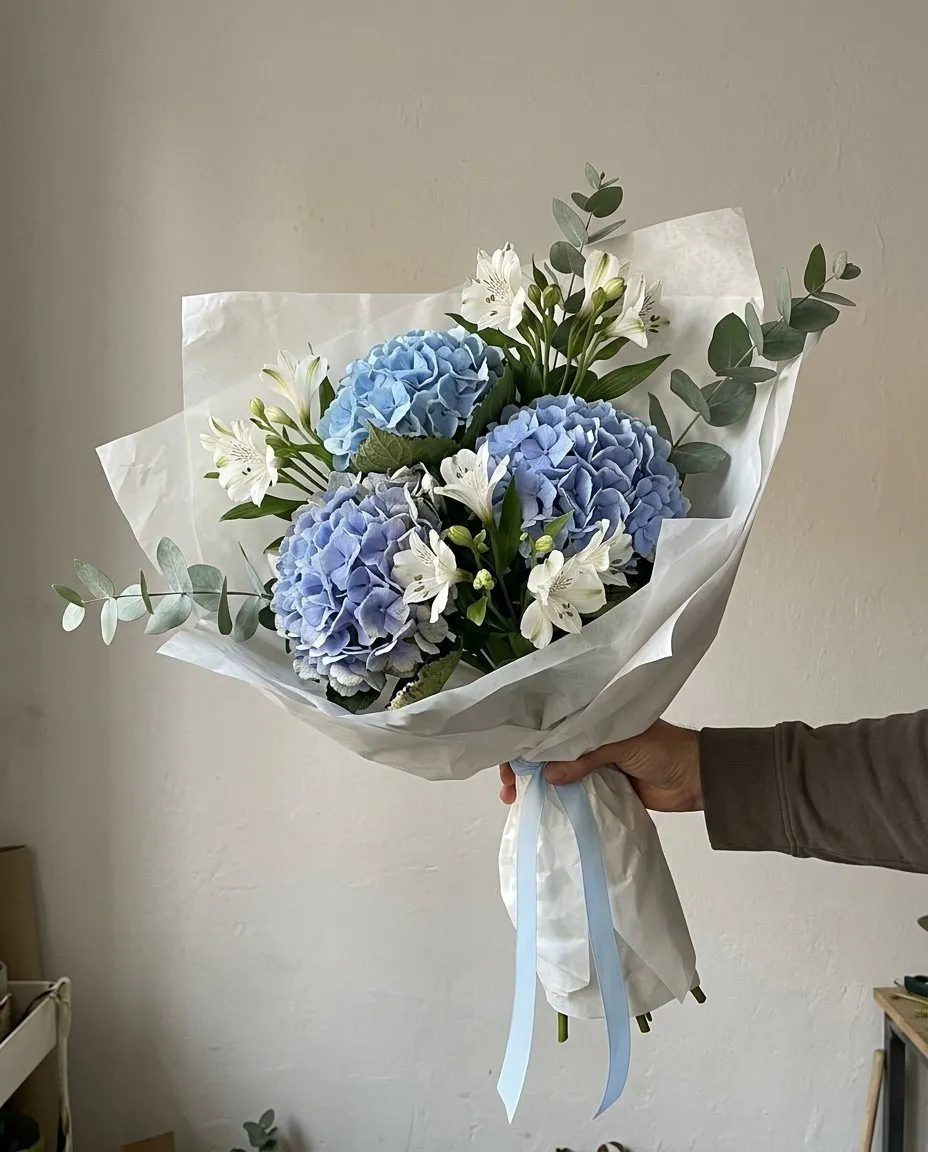
At Espafloria you can choose Blue hydrangeas with white alstroemeria for 59 €, 5 white hydrangeas for 69 €, Mar, with blue and white hydrangea for 45 € or the bunch of 5 hydrangeas for 45 €.
The bouquets are made by hand on the day. For same-day delivery in Barcelona, order before the daily cut-off and check the delivery page. Have the vase ready when they arrive: the first thing you can do to care for them is put their stems straight into water.
Frequently asked questions
Can a hydrangea revive in an hour?
It can improve if the problem is dehydration and its tissues are still healthy. An hour is enough to judge the first result, but it is not a guarantee.
Can I submerge the head of a hydrangea?
Yes, as a one-off rescue attempt in cool, clean water. Afterwards let it drip gently and return the stem to a clean vase.
How long do you leave a hydrangea in water?
A guide from the North Country Master Gardener Volunteers suggests soaking the flower and stem for 45 minutes. The result depends on the state of the flower.
Does the boiling-water trick work?
It is used as a brief treatment for the base of the stem. The guide we consulted suggests 30 seconds, then straight into water at room temperature; the flower head is never put in boiling water.
Does alum revive hydrangeas?
Some guides mention it, but the ones we consulted offer neither a comparison that guarantees the result nor a standard dose for home use. Start with a clean cut and hydration.