How long does a bouquet last? 7 tips to keep it fresh
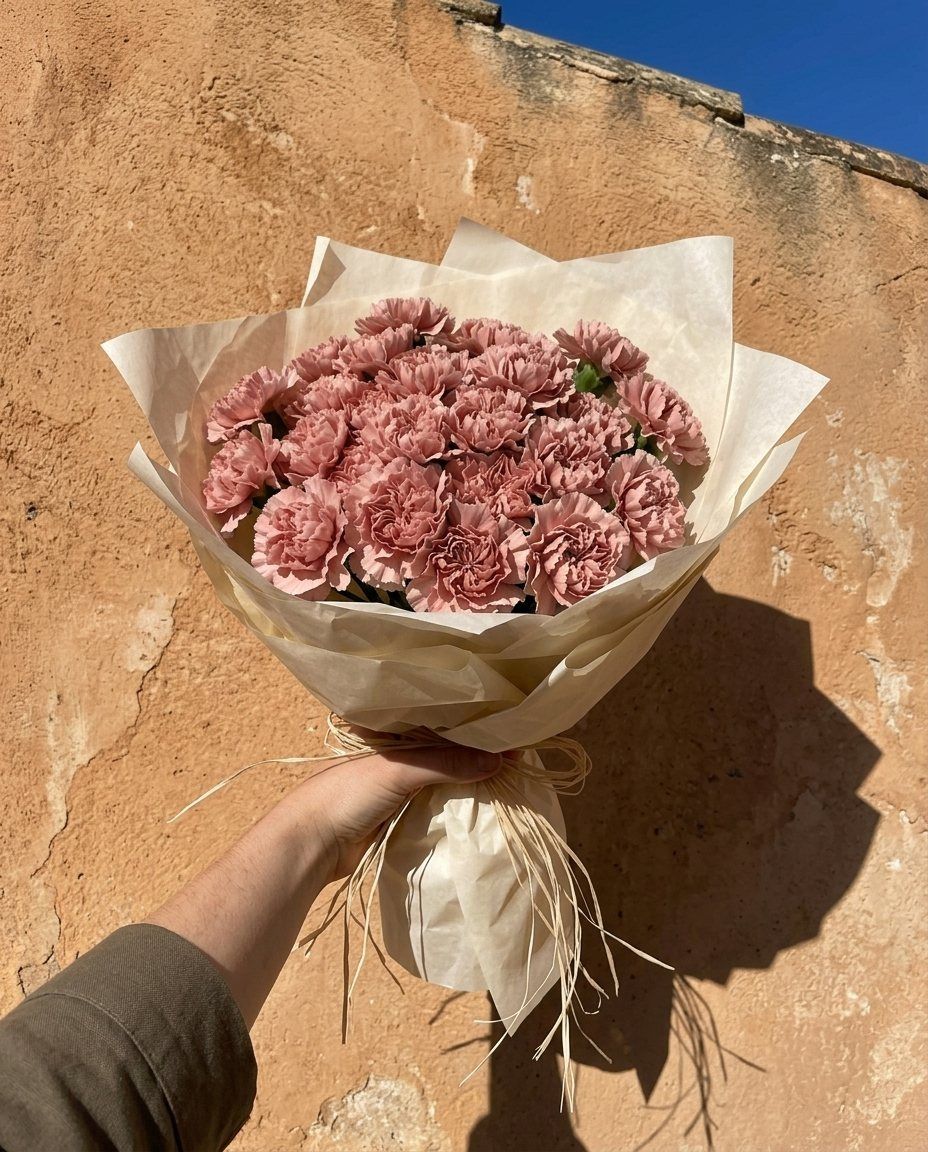
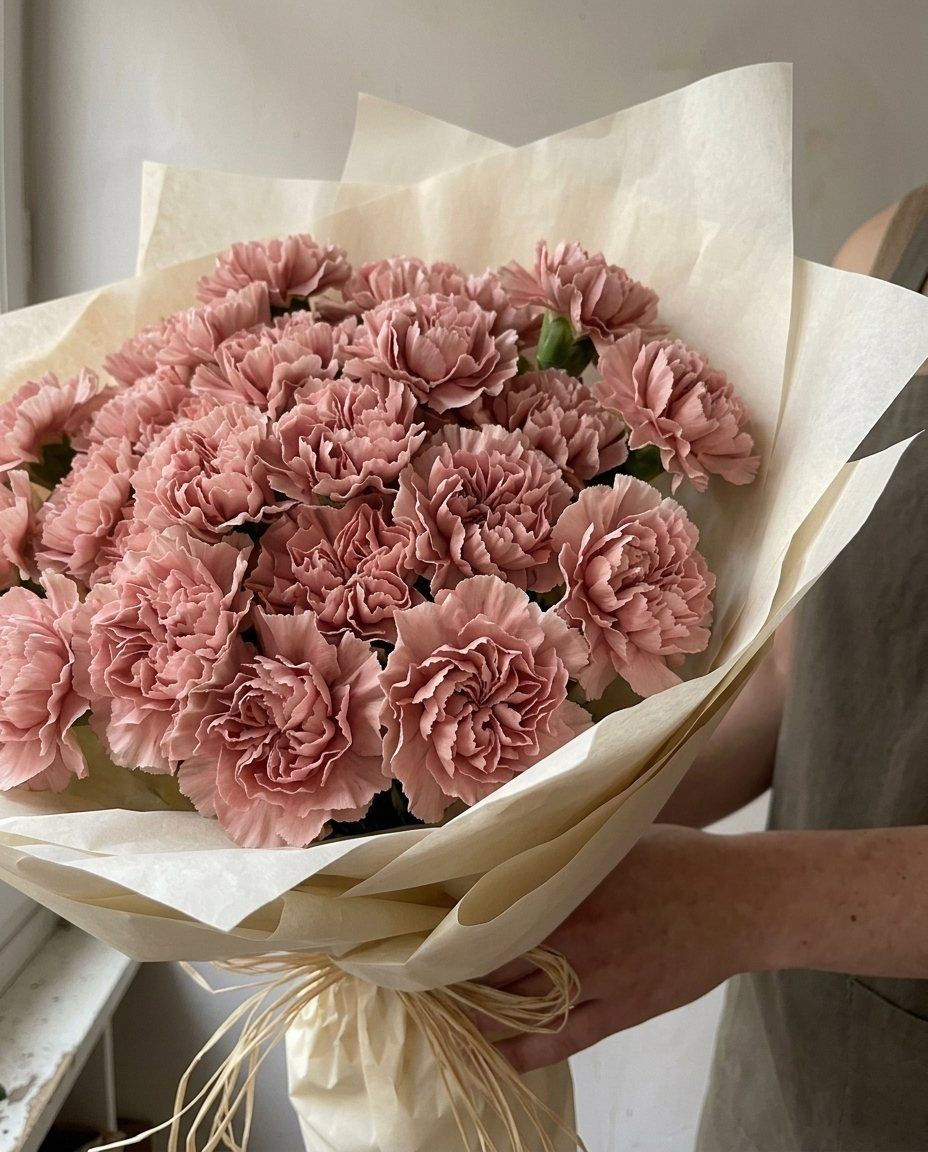
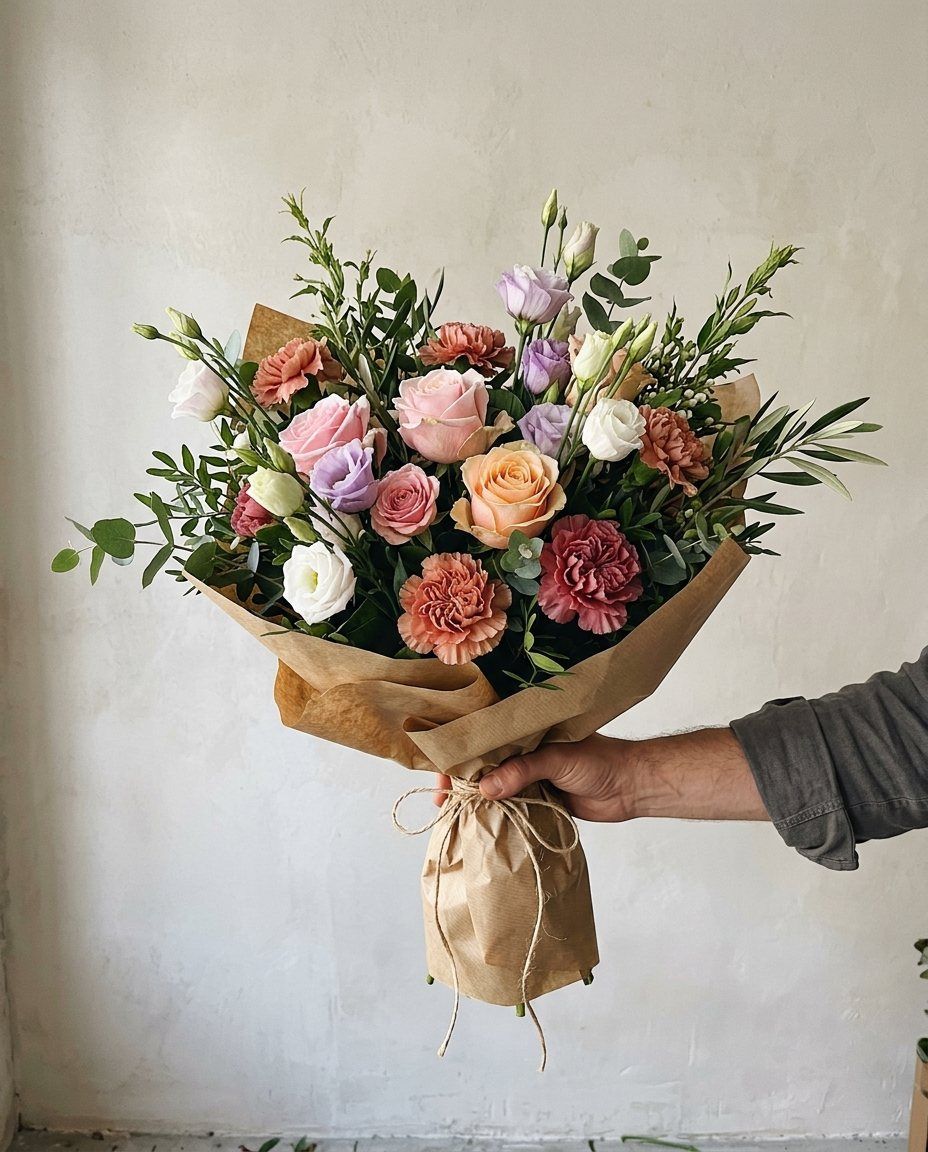
A fresh bouquet usually lasts between 5 and 10 days, depending on the flowers and their care; carnations, alstroemerias and chrysanthemums can last two weeks. To help it last longer, clean the vase, change the water every two days, trim the stems and keep it away from sun, heat and ripe fruit.
How many days to expect from each flower
For planning, use 5 to 10 days as a practical guide for a mixed bouquet. Some flowers will last longer than others; remove any that wilt. The whole arrangement changes as it ages, even while some stems are still in good condition.
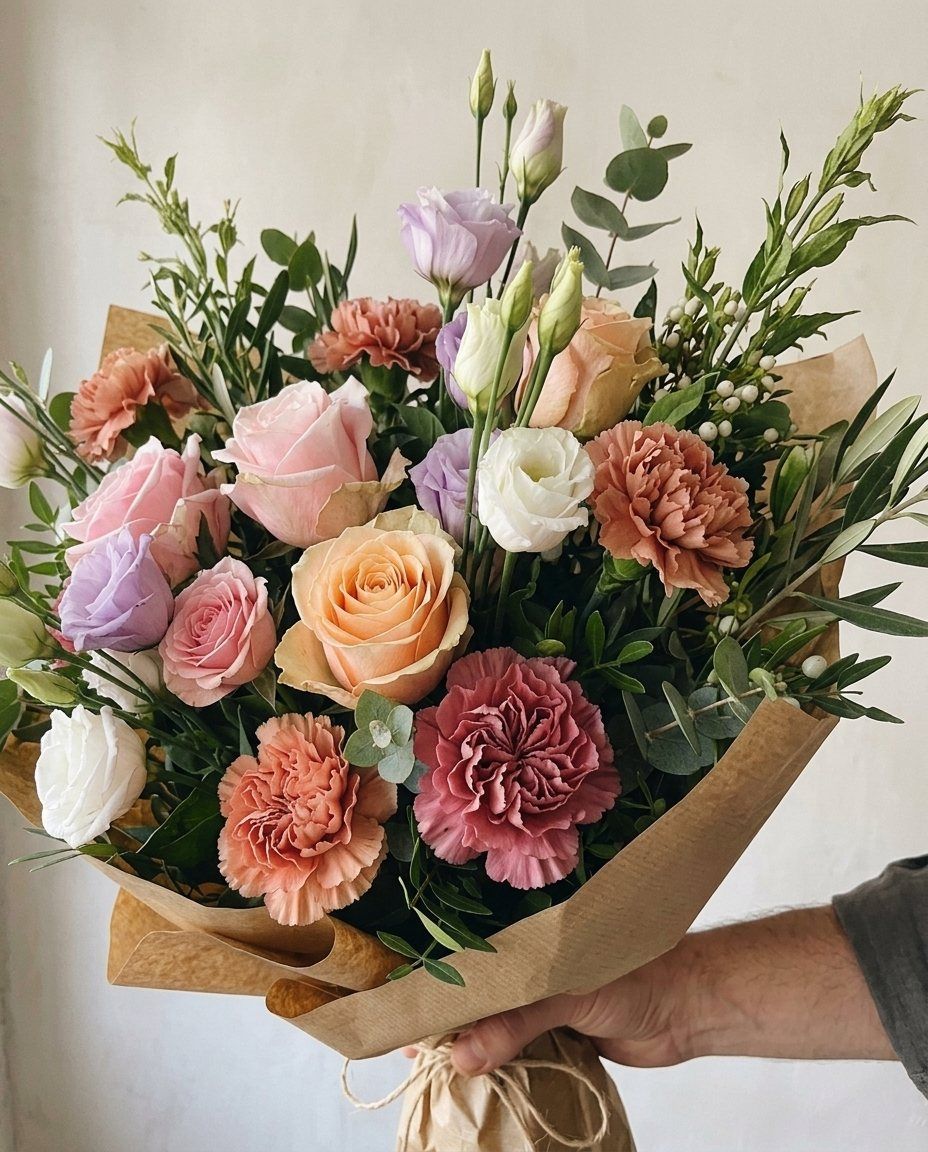
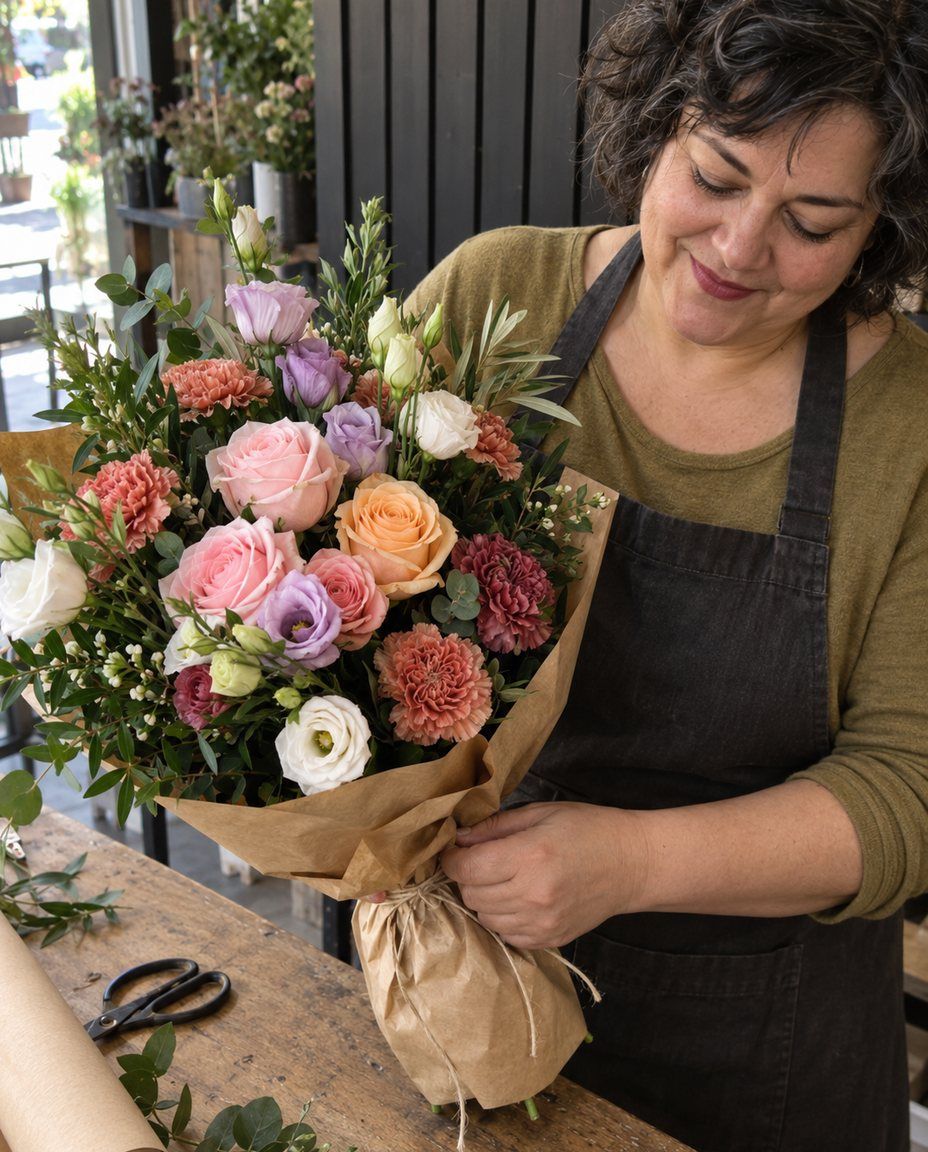
In the shop, when we explain how to care for a bouquet, we start with the flowers it contains. A hydrangea and a carnation do not react in the same way if you forget to check the water. Knowing what is in your bouquet helps you set expectations and keep the flowers that still look good.
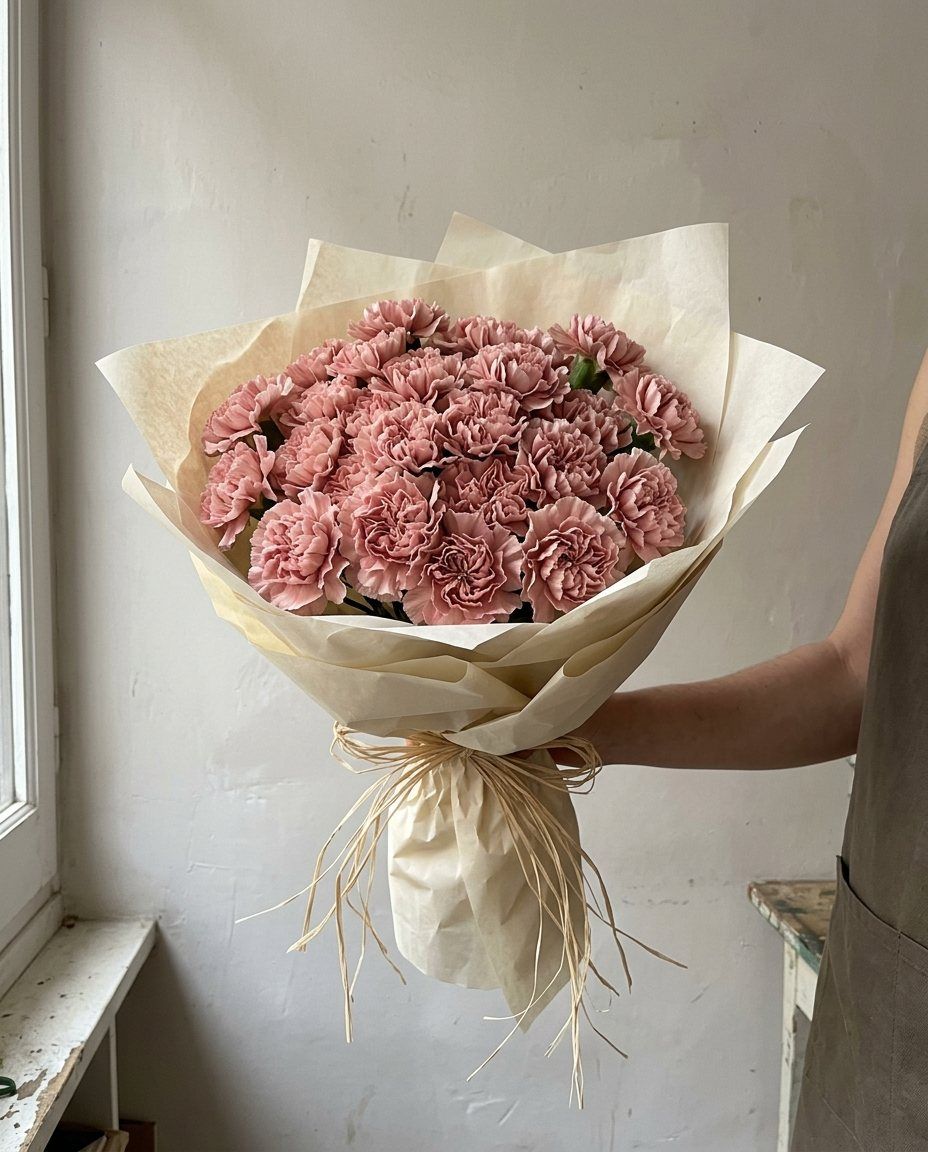
- Carnations: can last two weeks or even longer with good care.
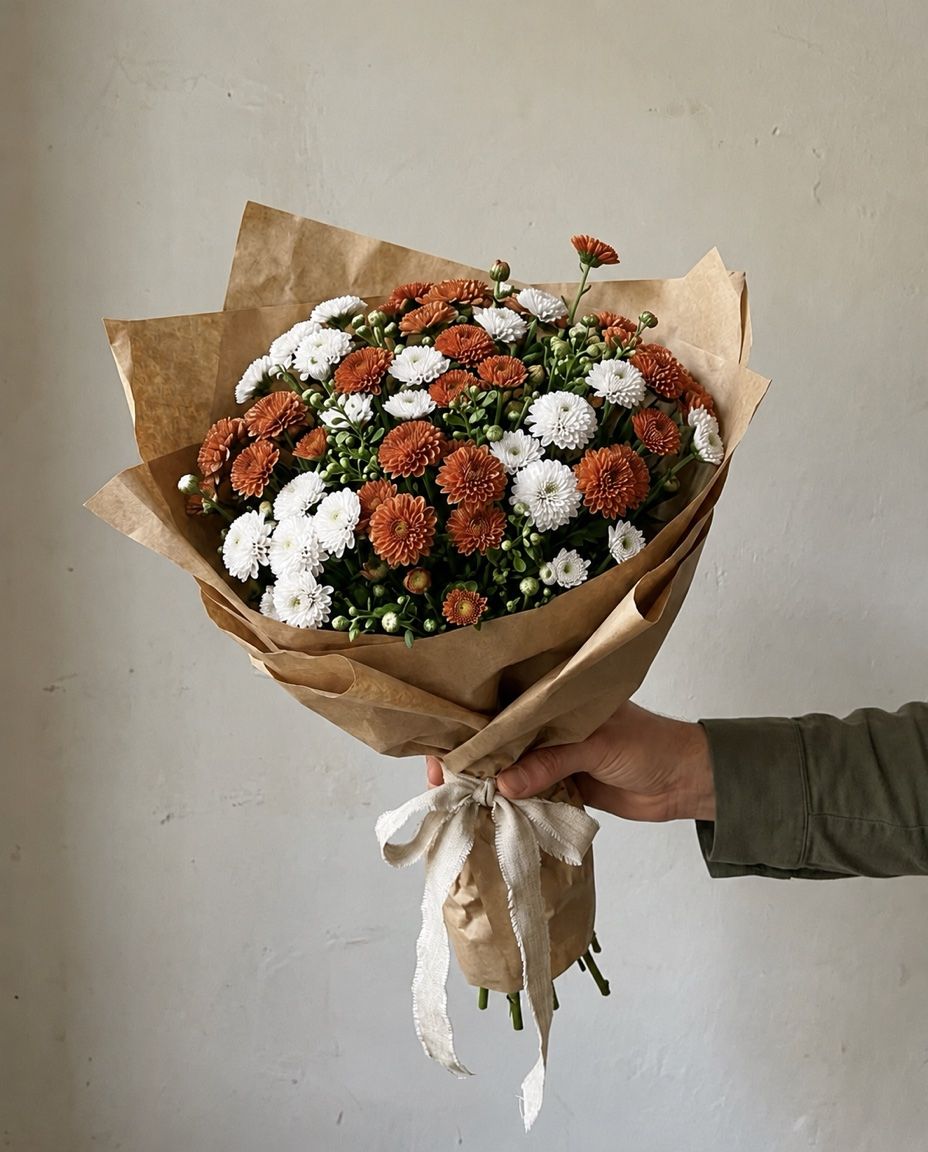
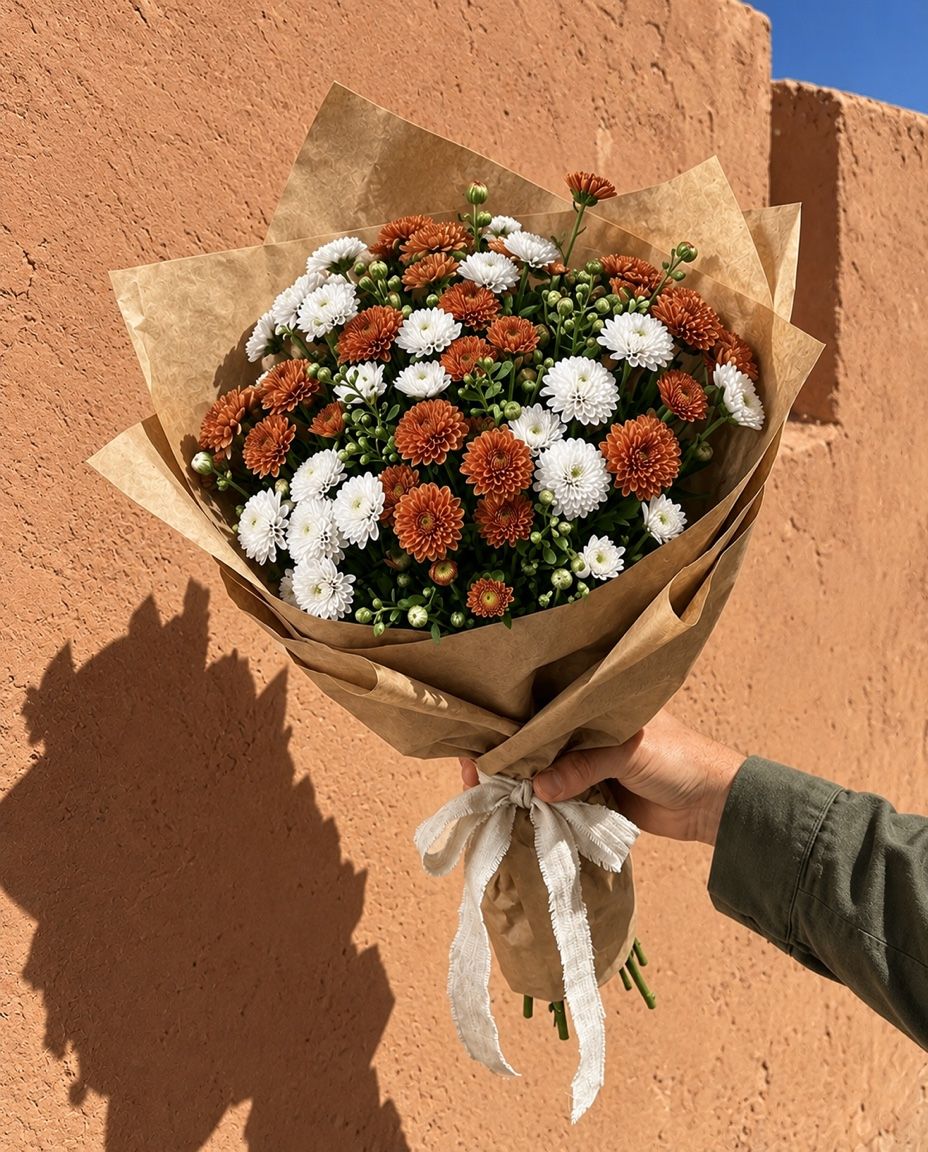
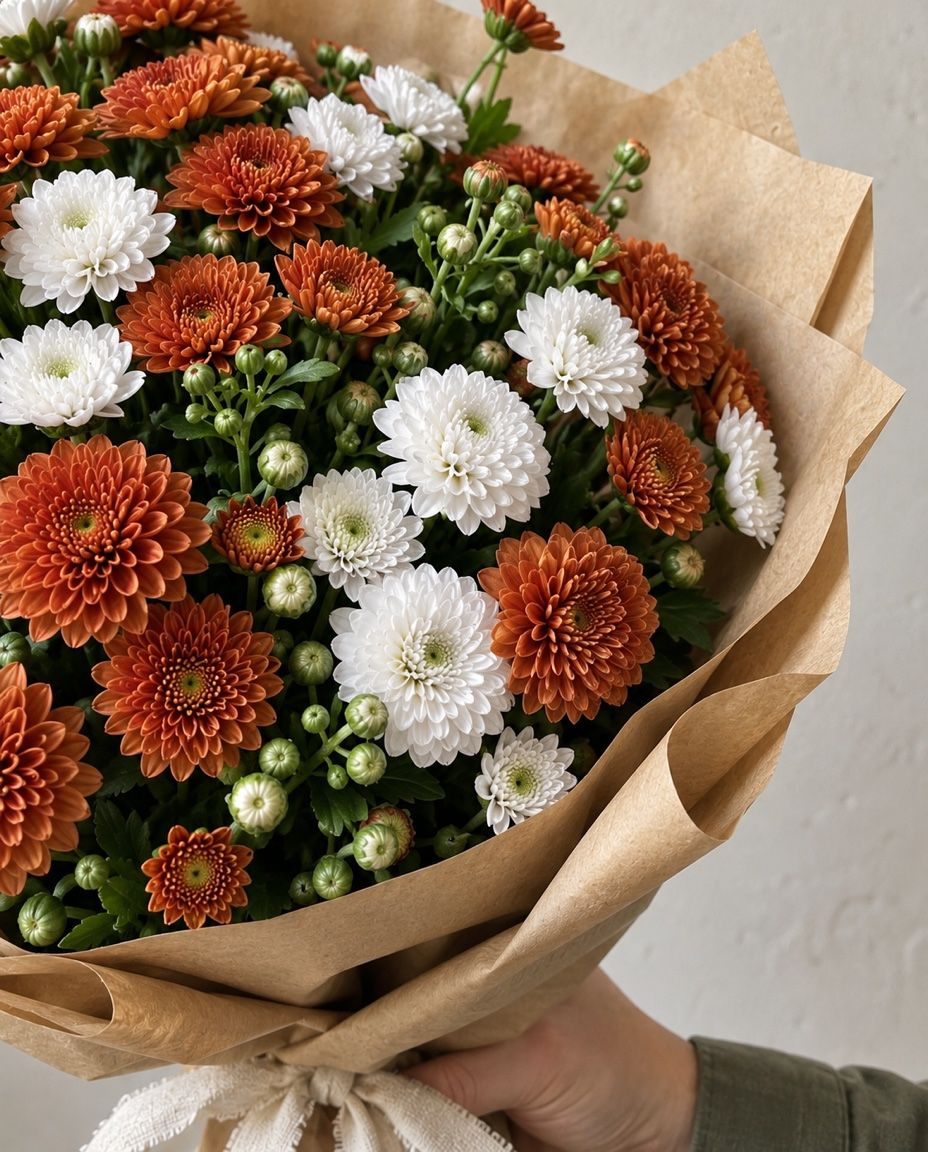
- Chrysanthemums: can last around two weeks; variety and handling make a big difference.
- Roses: allow around 7–10 days as a guide.
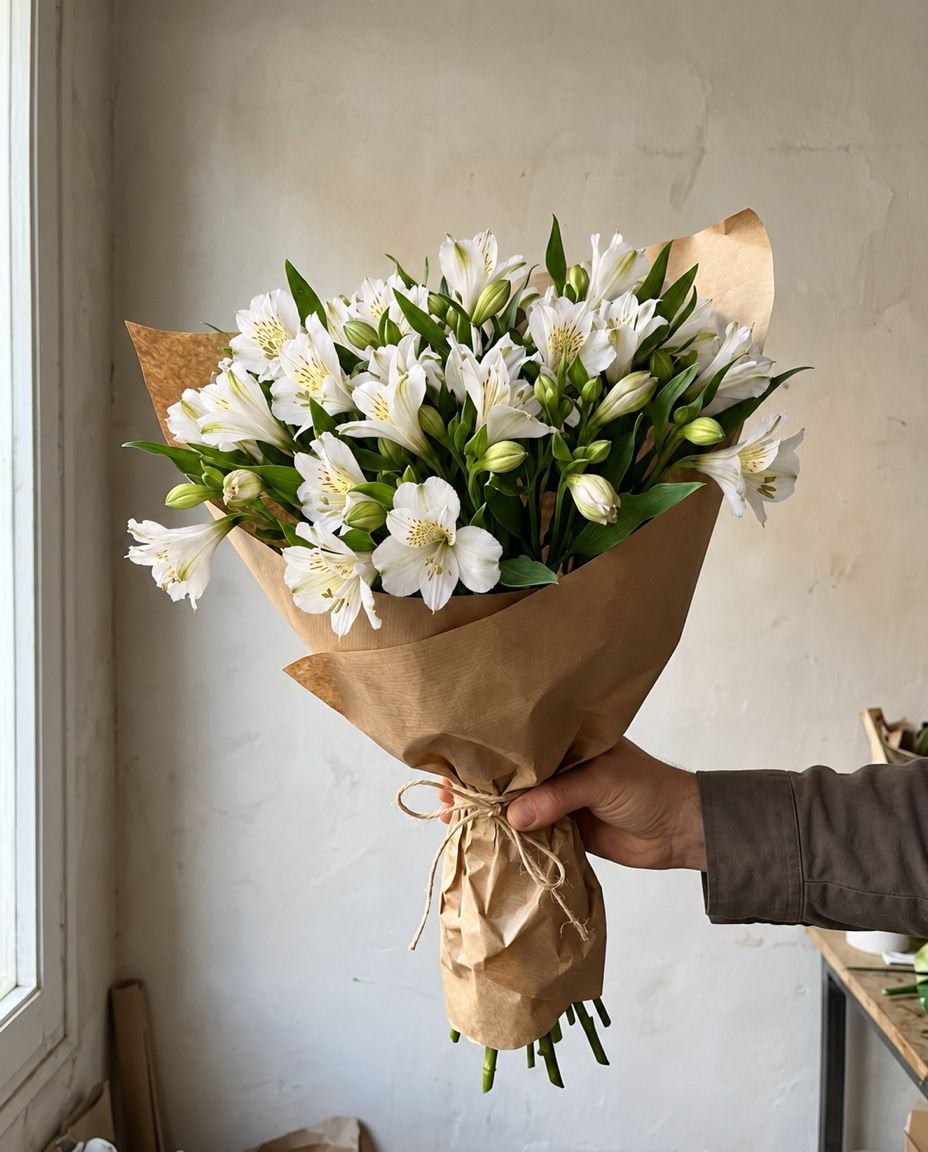
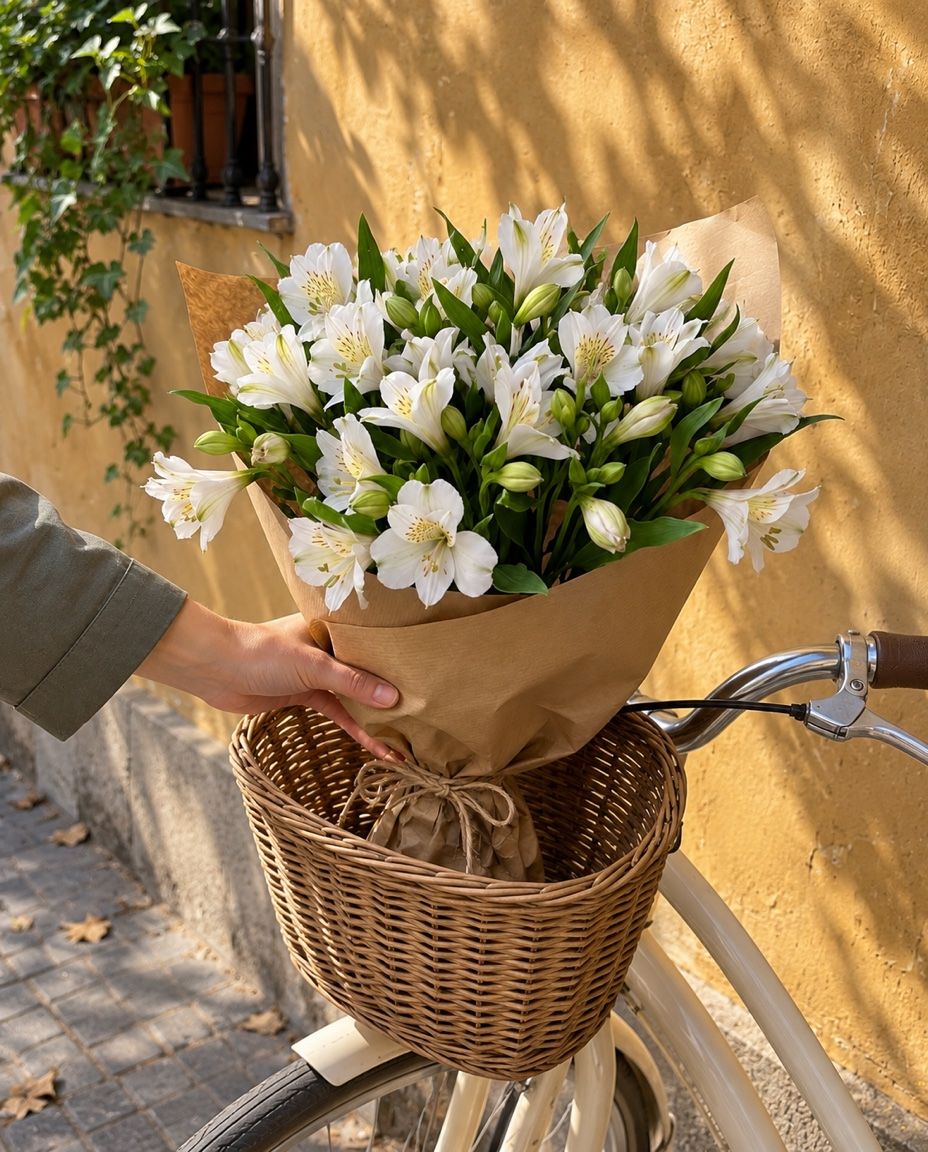
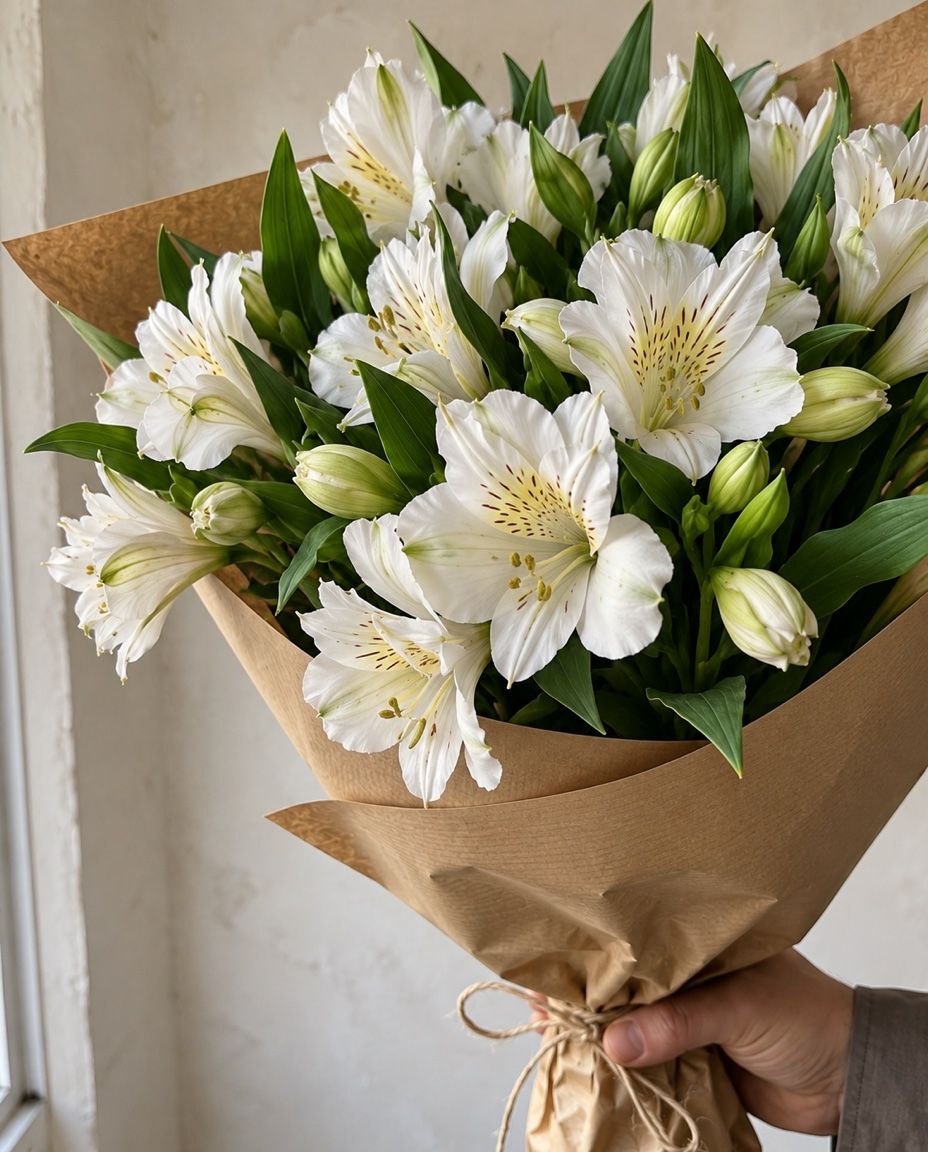
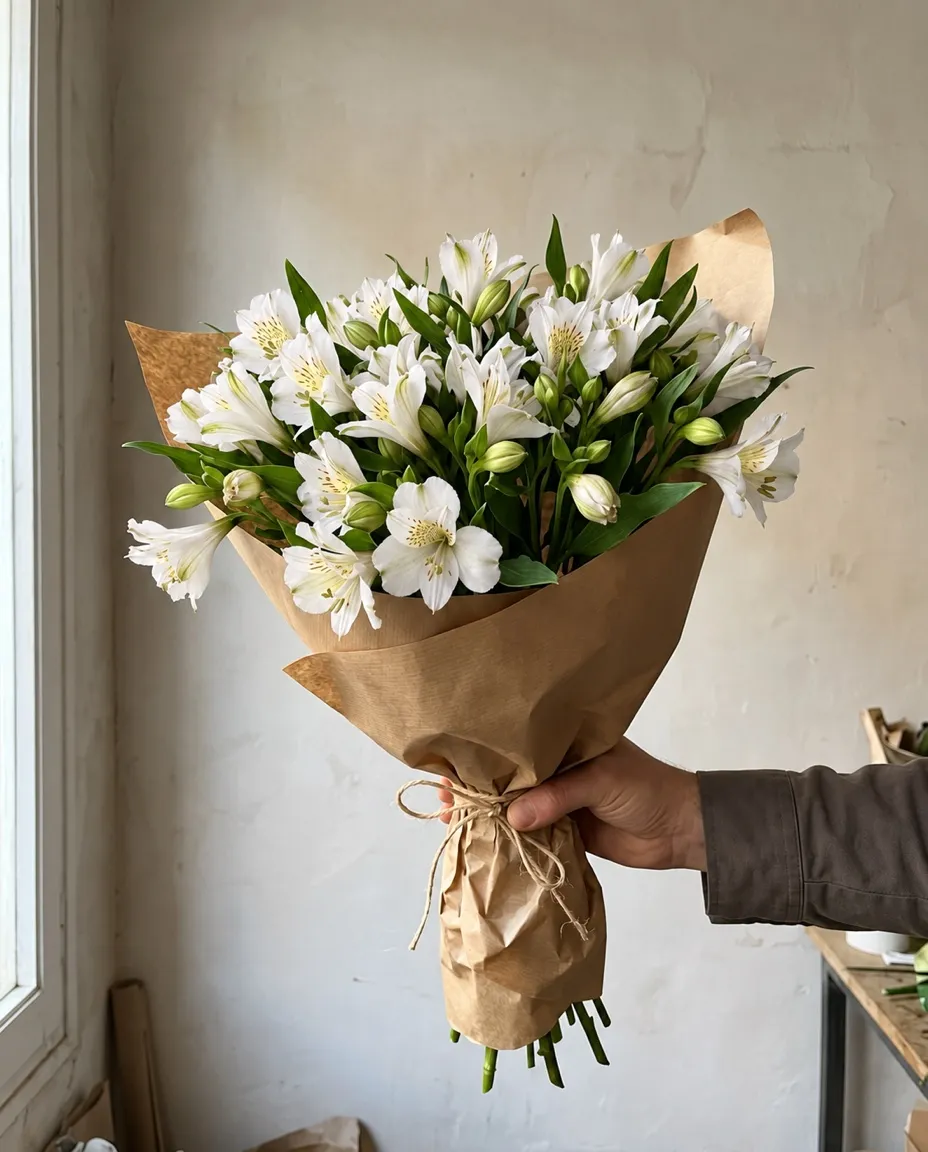
- Alstroemerias: can last two weeks and are among the longer-lasting flowers in a vase.
- Tulips: around 5–7 days; they also keep growing after they are cut.
- Hydrangeas: need particular attention to hydration, as the balance between water loss and uptake is delicate.
These ranges assume fresh flowers, water and suitable surroundings. They are not expiry dates: very hot conditions or an empty vase can shorten their life. You can keep the bouquet together at first, then rearrange the healthy stems in a smaller vase.
1. Start with a clean vase
Wash it before putting the flowers in, even if it looks clean. Remove any remains of the previous bouquet, scrub the inside and rinse well. Residue in the vase encourages the water to become dirty again quickly.
Choose a vase with an opening wide enough to fit the stems without squeezing them, and a stable base. If the tied bouquet is difficult to fit in, use another vase. Keep the wrapping paper out of the water and do not use a bag as a permanent container.
Have the vase and water ready before unwrapping the bouquet. That way, you can move straight from preparation to hydration without looking for tools while the flowers are already out of their wrapping.
2. Trim the stems with a sharp tool
Cut approximately 1–2 cm from the base with a clean, slightly diagonal cut. This is a practical amount for refreshing the ends; cut more if you find a damaged section. Use secateurs or a tool that cuts without crushing.
The Royal Horticultural Society recommends recutting the ends at an angle and avoiding damage to the stems during preparation. Put them in water straight away. You can trim a little more when you change the water, provided the height still suits the vase.
If the bouquet has stems of different thicknesses, cut them separately. Keep the main tie in place if it helps preserve the shape, but loosen it if it stops you reaching the ends or arranging the flowers properly.
3. Remove leaves that would sit below the water
Before putting the bouquet in the vase, check the waterline. Remove any leaves that would be submerged to stop them rotting in the vase. Keep the healthy leaves above it.
Also remove petals and small pieces of plant material that fall into the water. You do not need to strip every stem: the aim is to keep the submerged section clean.
In a very full bouquet, gently move the flowers aside and look into the centre of the tied stems. There may be hidden leaves you cannot see from the outside. Take the opportunity to check that all the stem ends reach the water.
4. Check the level daily and change the water
As a guide for care at home, change the water every two days; do it sooner if it becomes cloudy. Lift out the bouquet, clean the vase and refill it. If you use flower food, prepare the new solution according to the label.
Checking the level every day and changing the water every few days helps keep the flowers fresh; it is also worth recutting the stems when you do so. A quiet reminder on your phone can help if you know you tend to forget.
With hydrangeas, check that the base of every stem remains submerged. If one flower head droops while the others are firm, check that stem and the water before giving up on the whole bouquet.
5. Follow the instructions on the flower food sachet
If you have a sachet of cut-flower food, dissolve it in the amount of water specified. Some formulations combine nutrients, an acidifier and an ingredient that limits bacterial growth; too much can be harmful.
Adding ‘a few drops of bleach’ by guesswork is not the same as preparing a complete flower food solution. We do not recommend a universal dose for home use: the product concentration and amount of water vary. The flower food instructions tell you how much to add to the water.
If you have no flower food, use clean water and focus on keeping the vase clean and changing the water. Avoid adding sugar alone or mixing household products to compensate. A simple routine you can keep up is more useful than an improvised recipe.
6. Find a cool spot, especially in summer
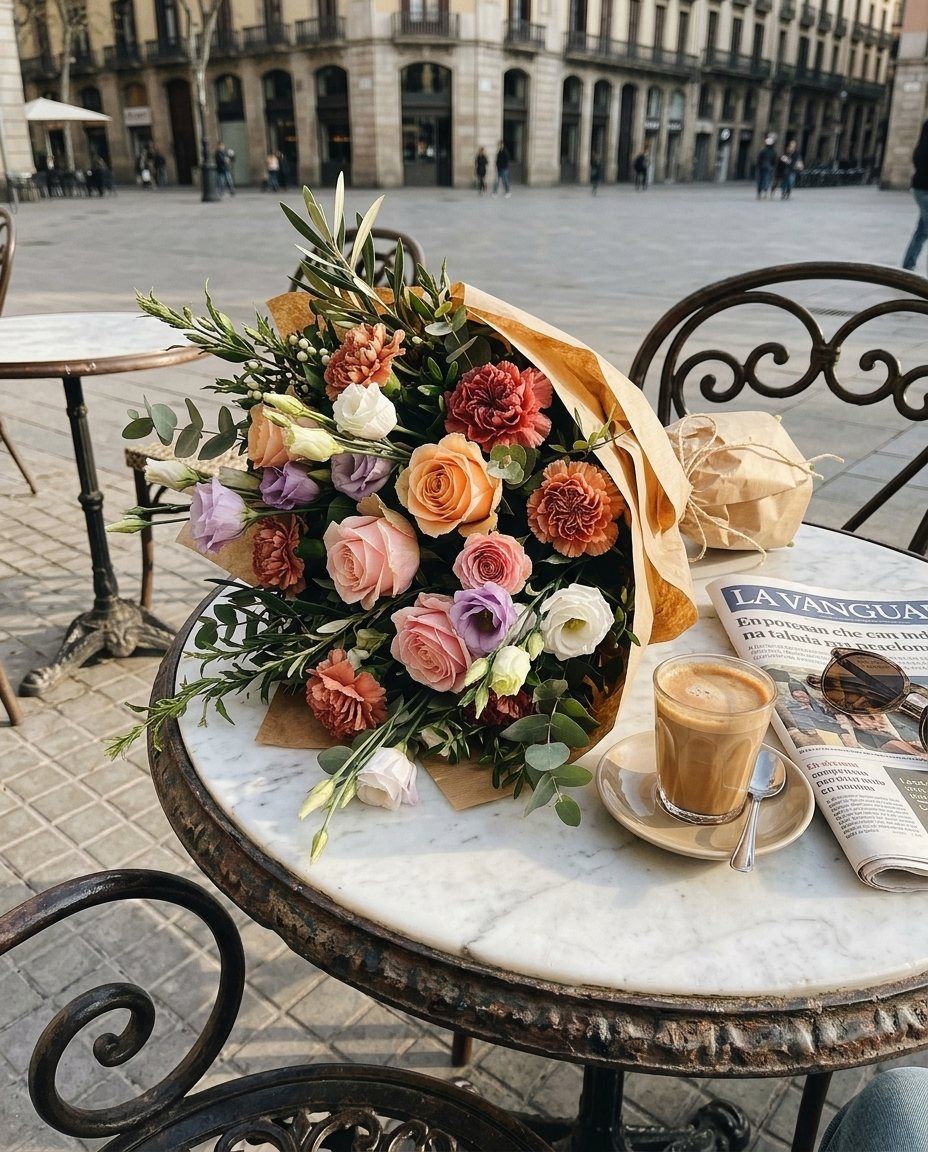
Flowers keep better somewhere cool, out of direct sunlight and away from heat sources. In a Barcelona flat during summer, choose the coolest room and check what happens there in the afternoon.
Avoid a sunny windowsill, the worktop beside the oven and direct airflow from air conditioning. An indoor table may work better than a terrace. If you are transporting the bouquet, plan your journey and take it home without leaving it in a hot car.
At night, you can move it to a cooler room. You do not need to buy equipment or maintain an exact temperature: reduce its exposure to heat and check that it still has water.
7. Keep it away from fruit and remove damaged flowers
Ripening fruit releases ethylene, a gas that can speed up the ageing of sensitive flowers. Keep the bouquet away from the fruit bowl, even if they look good together on the table.
Alstroemerias and carnations are sensitive to ethylene. Remove damaged flowers too, and rearrange those that are still firm: one rose reaching the end of its life does not mean you have to throw away the chrysanthemums.
With tulips, distinguish a flower in poor condition from a stem that has simply grown longer and curved. You can trim it to adjust the height if the change in shape unbalances the bouquet.
If your bouquet has wilted after three days
First check whether there is water, whether all the stems reach it and whether the bouquet has been in sunlight or near a heat source. Then clean the vase, change the water and trim the ends. See which flowers are still firm and remove damaged parts.
If the petals are dry or the stems are falling apart, care will not restore them to their original condition. If they have only lost firmness, check their hydration. Take a photo of the bouquet and vase if you need to ask the florist about the problem.
What to choose if lasting well is your priority
At Espafloria, you can choose 25 alstroemerias for 39 €, 25 carnations for 45 € or 25 chrysanthemums for 55 €. If you prefer Florist’s choice, at 35 €, say that your priority is how long the flowers last.
Our bouquets are made by hand in our shops on the day. Collection is free; for same-day delivery in Barcelona, order before 16:00 and check the delivery terms.
Frequently asked questions
Which flowers last longest in a bouquet?
Carnations, alstroemerias and chrysanthemums can last up to two weeks if they are well hydrated and kept somewhere cool.
How long do roses last in water?
As a guide, 7 to 10 days. The variety, their initial condition, the temperature and their care can change that range.
How often should you change the water for a bouquet?
Every two days is a practical guide, and sooner if it becomes dirty. Check the level daily and clean the vase when you change the water.
Can I add a few drops of bleach to the vase?
It is better to use flower food prepared according to its label. Bleach alone does not provide all its ingredients, and guessing the dose can damage the flowers.
Why are my tulips getting longer and bending?
They keep growing after they are cut and turn towards the light. A gentle curve does not, on its own, mean they are wilting.
How should you care for a bouquet during summer in Barcelona?
Put it in the coolest room, away from sunlight and direct airflow, and check the water every day. Avoid leaving it in a hot car.