How to dry roses and preserve a special bouquet (3 methods)
Dry roses while they are still fresh and before the petals open fully. Hang them upside down to keep the stems, use silica gel to hold the shape of the flower better, or press the petals if you want to frame them.
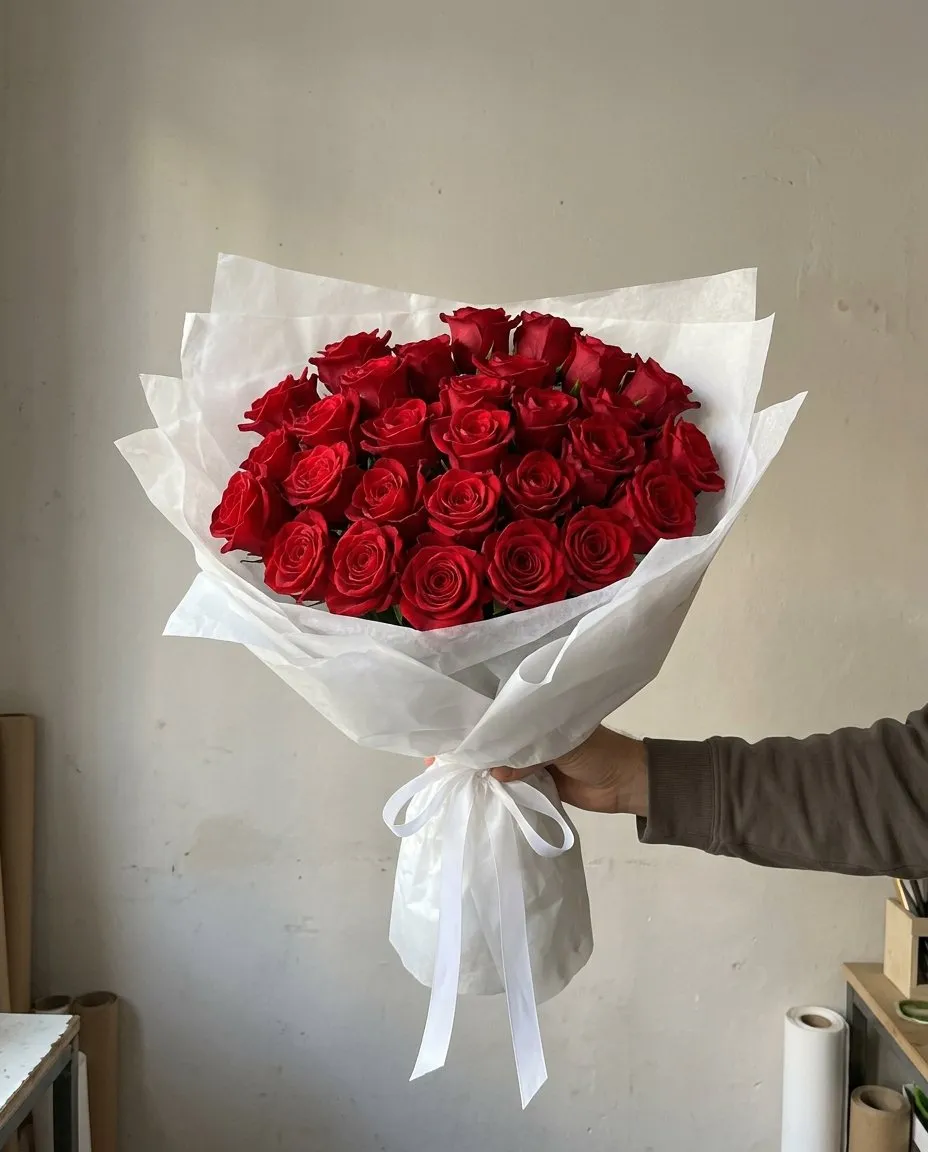
Start while the bouquet still looks good
If you want to keep the roses from a wedding (your bridal bouquet, for example) or an anniversary, do not wait until they are nearing the end of their vase life. For drying, pick healthy, unbruised flowers that have not yet opened completely. Wet or damaged material is a poor starting point.
In the shop, when we check roses for preserving, we look at how firm the petals are and what condition they are in, not just at the colour. Before you take your bouquet apart, photograph it from the front and from the side. The photos will help if you later want to rebuild the arrangement.
You do not have to dry everything. You can set aside three roses for a small vase and a few petals for a frame, and enjoy the rest fresh.
If you are not ready to start yet, follow the care advice in how long a bouquet of flowers lasts. Decide on a method before the bouquet reaches the point where it sheds petals when you move it.
Choose according to what you want to keep
The three methods give you different keepsakes:
- Hanging upside down: to keep roses on the stem and make up a small dried bouquet.
- Silica gel: to hold the fullness of the heads better, for a shadow box, for example.
- Pressing: for a flat composition of petals, small flowers and leaves.
Air-drying is simple, desiccants help the flower hold its shape, and pressing is meant for material that can be flattened.
Gather everything before you begin. For hanging you need rubber bands or string and something to hang the flowers from; for silica gel, a container with a lid; for pressing, absorbent paper, cardboard and a weight. Do not go looking for a container once you have already cut the stems of the bouquet you want to keep.
Method 1: roses hung upside down
This is the easiest option if you want to keep the stems. Strip the leaves, divide the roses into small bunches and fasten them without squeezing the heads. Hang them upside down somewhere dry, dark and airy. Rubber bands stay snug around the stems as they dry and shrink.
You can work in this order:
- Remove the wrapping and separate the flowers from the foliage.
- Set aside the roses you would rather preserve one by one.
- Make small bunches, leaving space between the heads.
- Fasten the stems and hang them so they do not touch the wall.
- Add a label with the date and check on them without handling the petals.
The University of Florida gives a general time of 1–3 weeks for air-drying flowers; Nebraska Extension gives 3–5 weeks for its hanging method. The gap is a reminder that the room and the material matter: do not call it finished just because a date has passed.
Do not try to speed things up with a radiator or an oven: the Florida guide advises against that kind of heat and stresses ventilation to prevent mould.
If a wardrobe is all you have, check that it is dry and that air circulates. A dark corner is not enough if you keep damp clothes there. Do not bundle all the flowers together to save space: spread them over several small bunches.
Method 2: silica gel to keep the shape
Silica gel for drying flowers is a granular desiccant. It needs an airtight container so that it does not waste its capacity absorbing moisture from the air; it also supports the petals while they dry.
Prepare a box that takes the heads without crowding them. Follow the instructions and precautions of the particular product you buy. For a bouquet with sentimental value, try a single rose first.
- Put a layer of gel in the bottom of the container.
- Trim the stem, leaving a short piece to hold the flower by.
- Rest the rose facing upwards, without touching other heads.
- Add the granules slowly, between the petals too, until the flower is covered.
- Close the lid and leave to dry for the time the manufacturer states.
- Pour the gel off a little at a time and brush away what is left with a soft brush.
This arrangement and the careful removal are described in the Nebraska Extension guide.
University of California Agriculture and Natural Resources suggests 3–5 days as a guide for its procedure, but warns that the size and moisture of the flower change the result. Do not open the box every day to take all the roses out and check them.
The flower heads will have short stems, so decide beforehand how you will display them: in a box, on a stand or as part of an arrangement. If your priority is a long-stemmed bouquet in a vase, hanging may be easier. For a single rose you want to make the centrepiece, silica gel can be worth the extra work.
Method 3: pressing petals for a frame
For a first attempt, use separate petals rather than a whole thick rose. Pressing works best with single flowers and slender parts, and it gives a flat result.
Lay the material out between sheets of absorbent paper, without overlapping. Add cardboard on the outside and put a heavy book on top. University of California gives 2–4 weeks as a guide for its pressing method.
Prepare a test sheet separate from the main keepsake. That way you can work out how you want to arrange the petals without constantly moving the ones that are drying. Photograph each layout if you are going to keep several flowers and leaves.
Once they are dry, try the composition out on a piece of card before fixing it down. You can include the date of the anniversary, a copy of the card or a handwritten note. A frame lets you keep a few pieces even if you have no room for a whole bouquet.
Which other flowers dry well
Roses, lavender and gypsophila are good candidates for drying in small bunches. Hydrangea also keeps well, with one caveat: for air-drying you want a mature head with a papery feel, not one that has just opened.
So do not apply the rule for roses to every species. If your bouquet is mixed, separate it into its parts and choose the right method for each type of flower. You can also keep only those that best suit the result you are after.
Colours can change during drying: reds may take on purplish or bluish tones. Do not expect an exact copy of the fresh bouquet. If recording the original colour matters to you, keep the photograph with the keepsake.
How to store the bouquet afterwards
Keep dried flowers somewhere cool and dry, out of the sun. Light and time can fade their colour. For storage, a closed box with a small sachet of silica gel helps control moisture; dried flowers should be kept away from sources of ignition.
Choose a box where they will not be crushed and a steady place to display them. Before closing the box, check that all the flowers are dry. Keep the card separately while you decide how to include it.
If you are choosing a bouquet with drying in mind
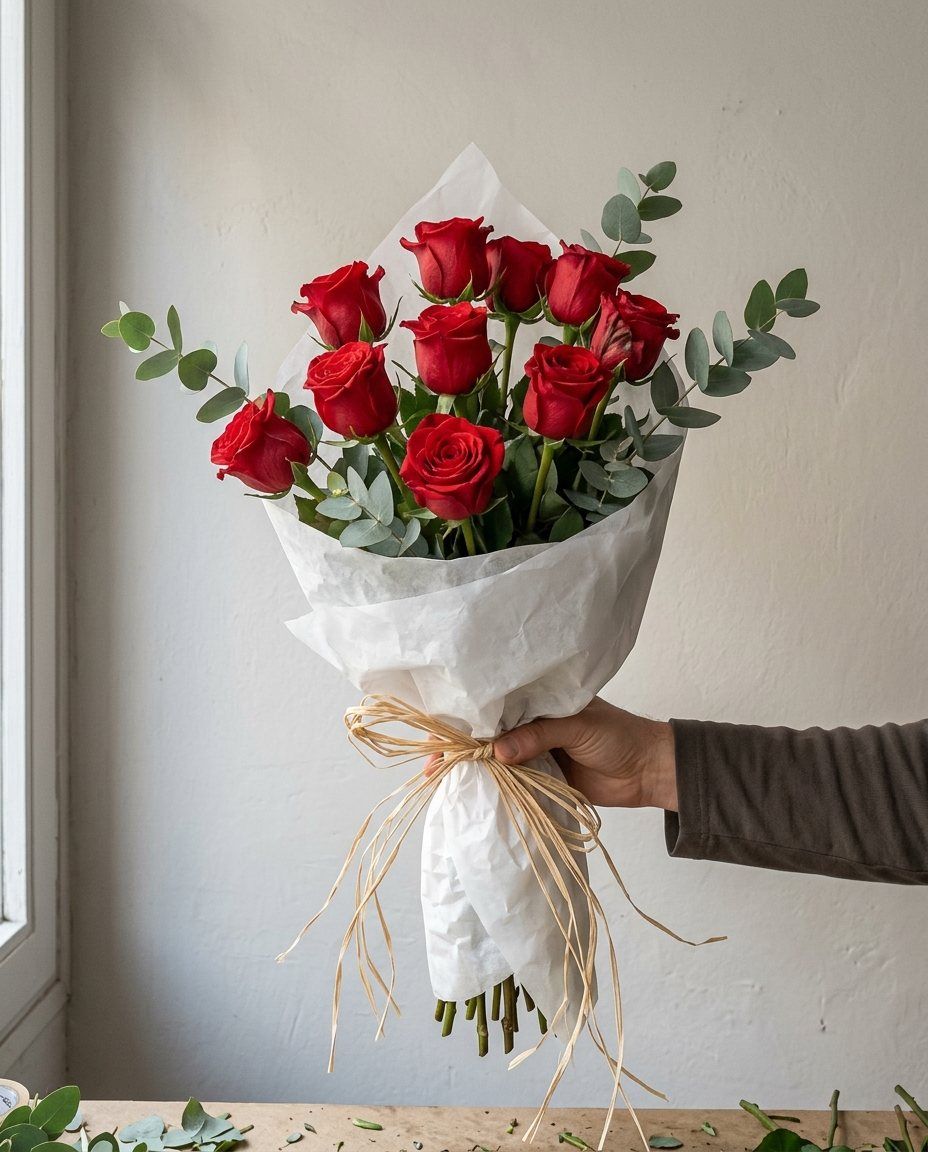
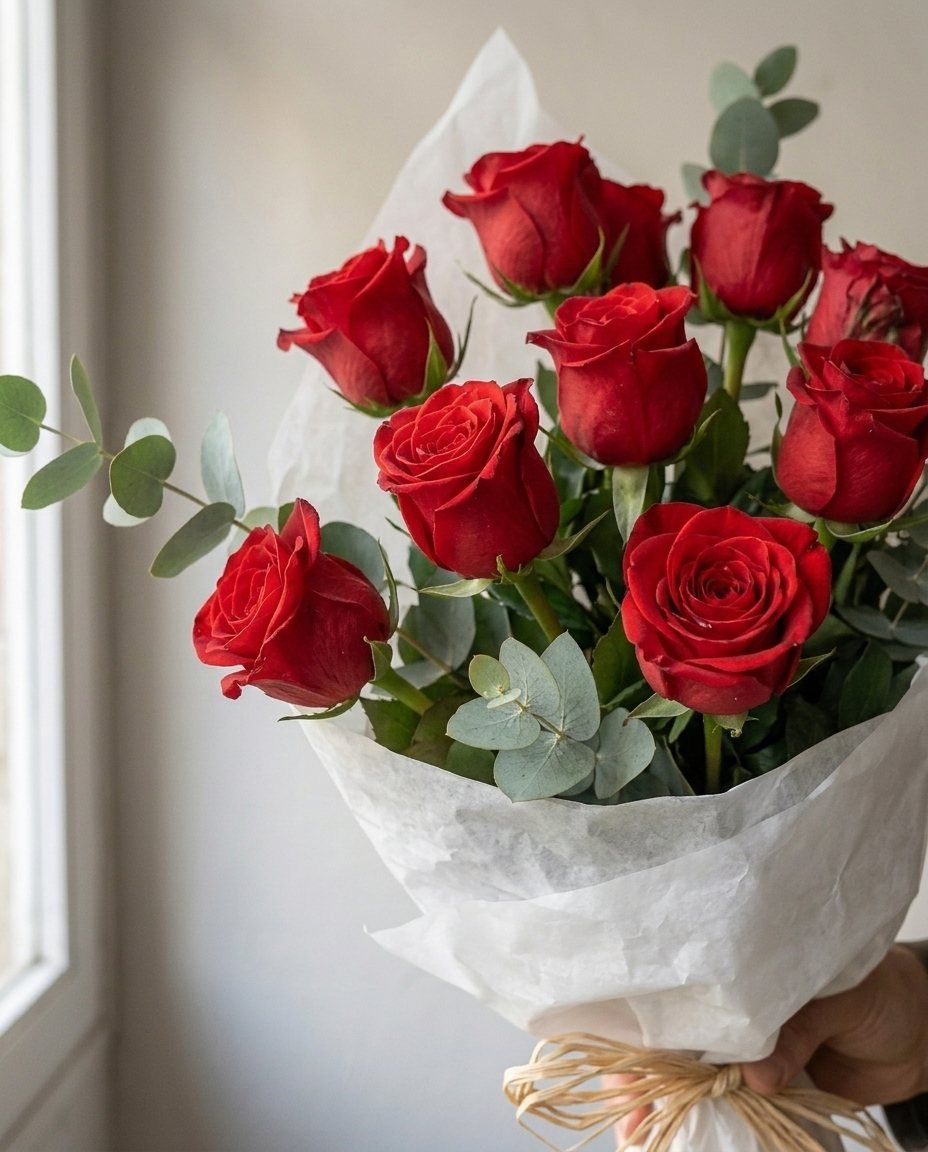
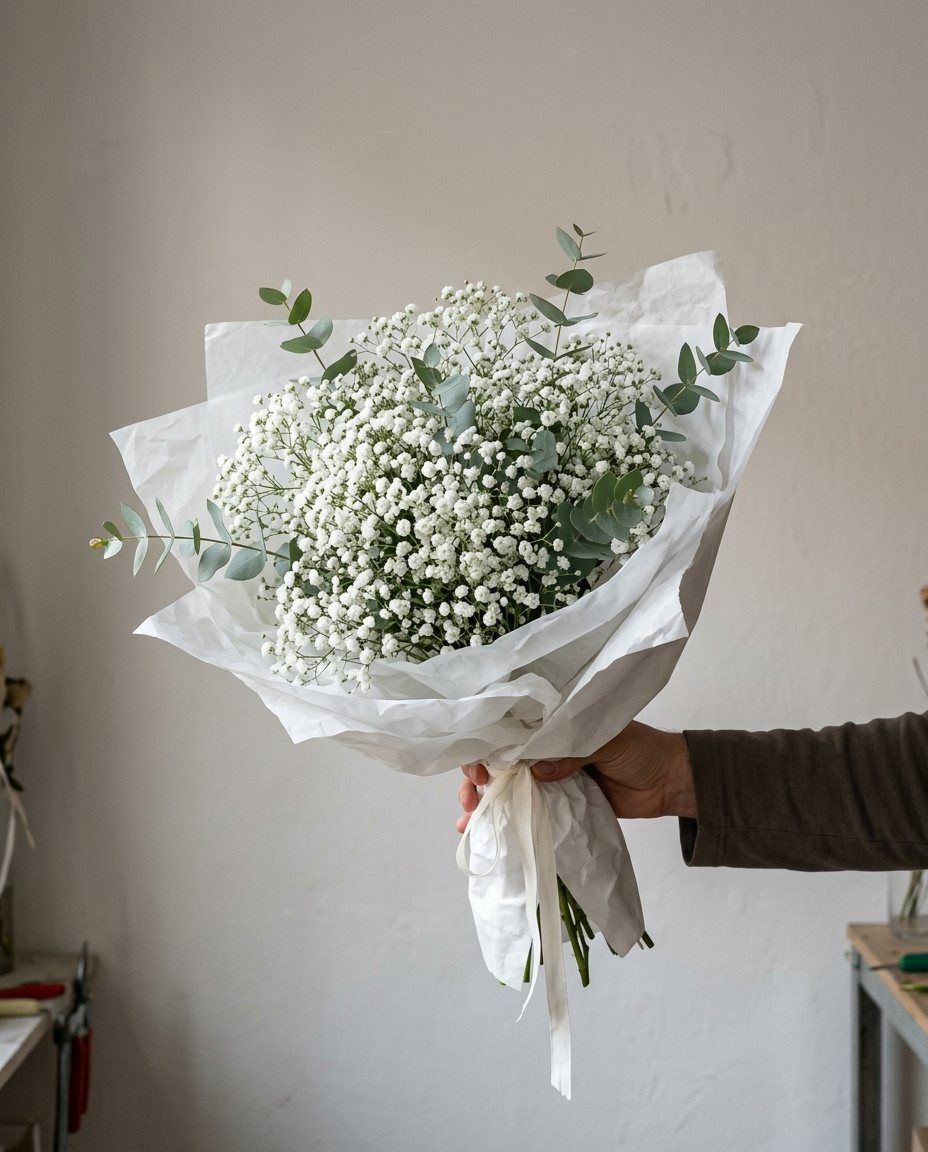
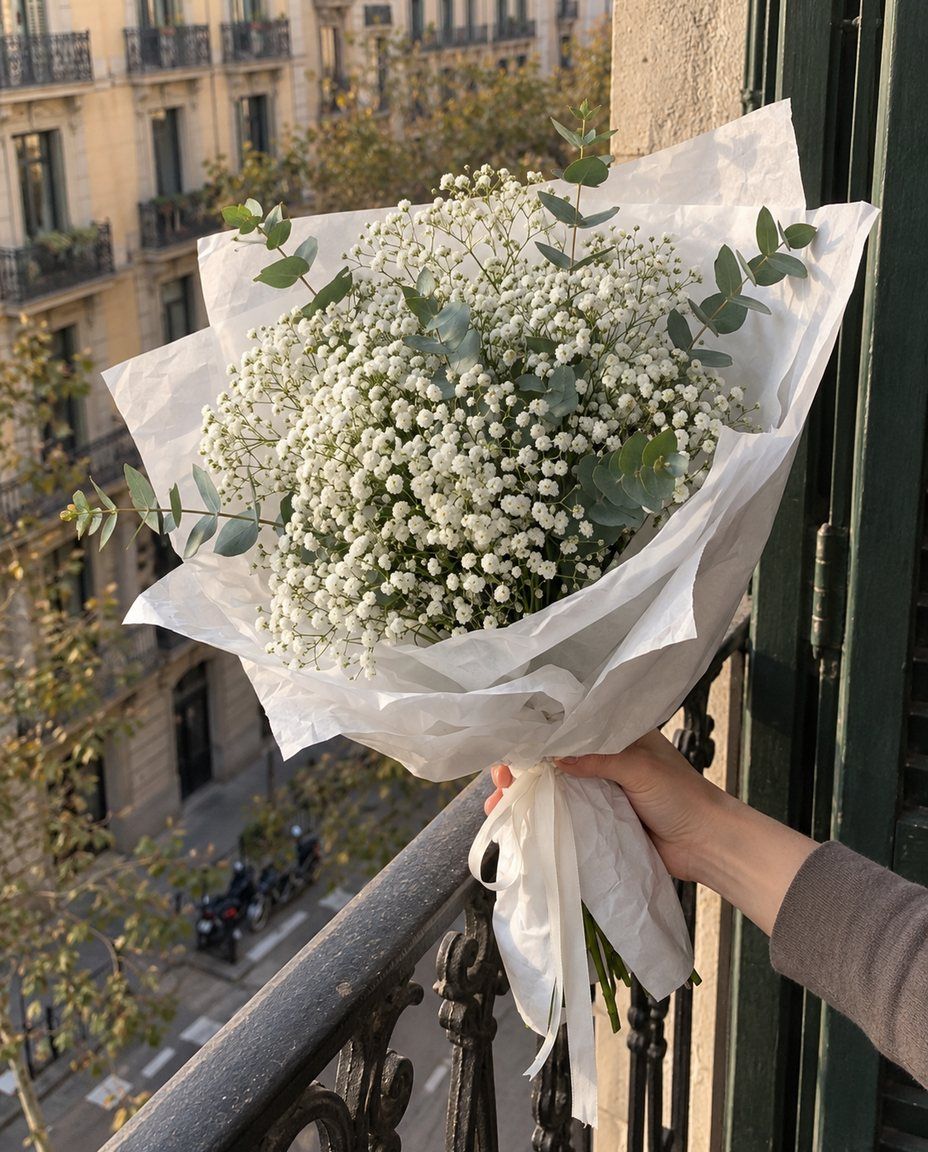
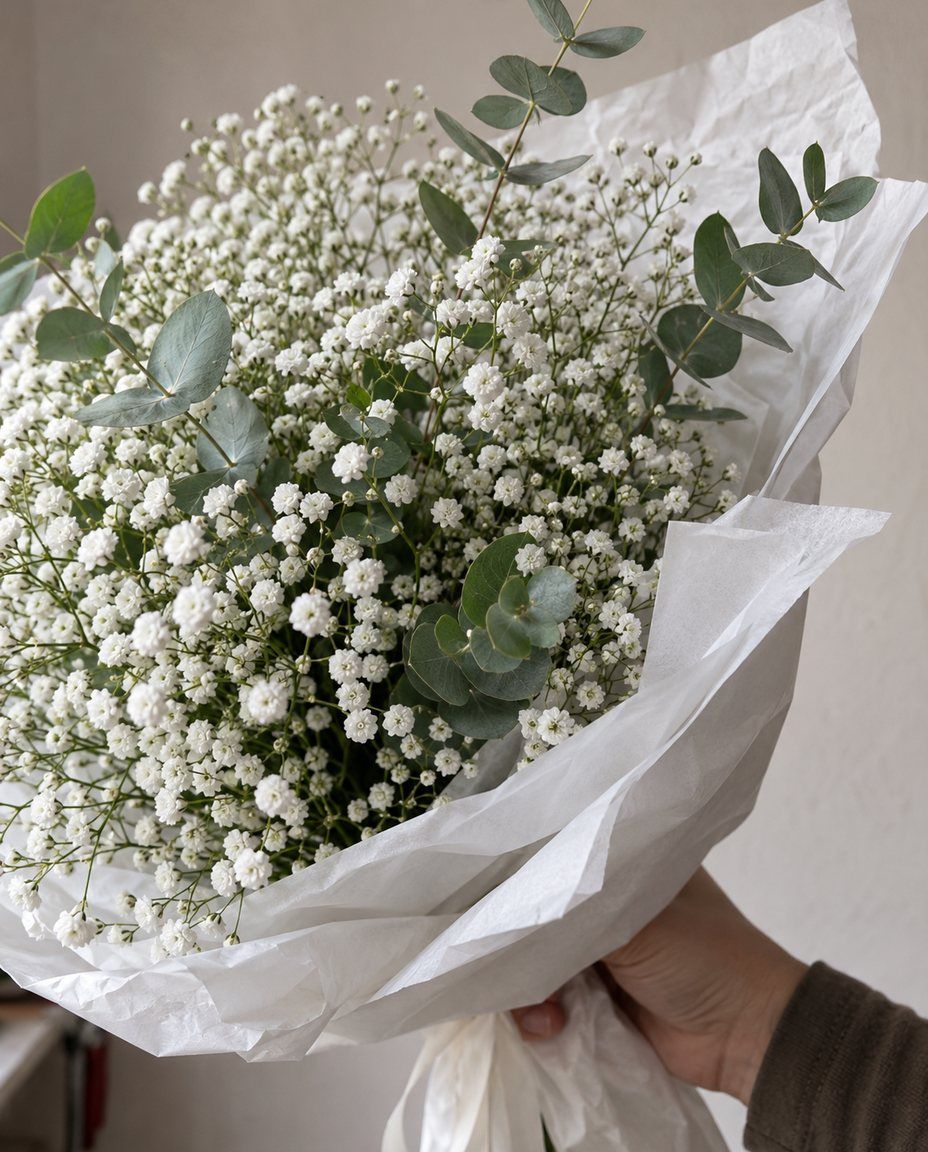
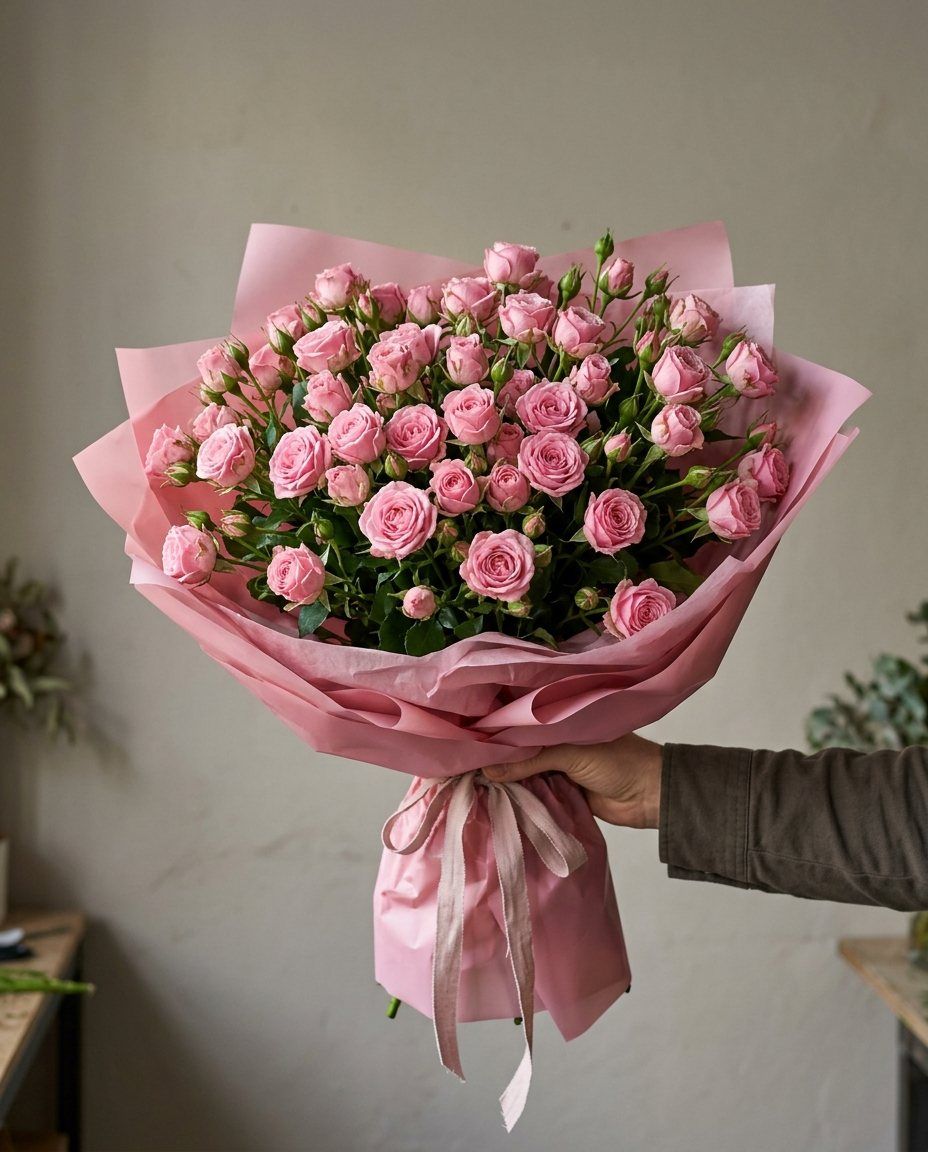
At Espafloria you can compare 11 red roses with eucalyptus for 49 €, the Gypsophila cloud for 32 € and 25 spray roses for 79 €. These are fresh flowers: whether and how to dry them afterwards is up to you.
Our bouquets are made by hand on the day and the card is free. For same-day delivery in Barcelona, order before the daily cut-off and check the delivery page.
Frequently asked questions
When should I start drying roses?
While they are fresh, with firm petals that have not yet opened fully. Do not wait until the bouquet wilts.
How long do roses take to dry hanging upside down?
Allow several weeks: many flowers air-dry in 1–3 weeks, but some need longer. Check that they are completely dry before storing them.
Which method keeps the shape of a rose best?
Silica gel supports the petals while it absorbs moisture. It helps the flower keep its fullness, though it does not guarantee the colour will stay the same.
Can I press a whole rose?
A thick rose is hard to flatten. To begin with, separate the petals or use small, slender flowers.
Does hairspray work for drying a bouquet?
It is no substitute for drying. First remove the moisture with one of the three methods, and check the flowers are dry before displaying or storing them.