What each rose colour means (and which to give)
Red roses usually express romantic love; white roses, respect and purity; pink roses, affection or gratitude; and yellow roses, friendship and joy. These are conventions, not rules: the recipient's tastes and a clear card matter more than the colour or number.
Choose the message first, then the colour
If you want to declare your love, red is a clear choice. To say thank you, you can choose pink; for friendship, yellow; to offer quiet support, white. These common associations appear in guides to flower symbolism, though they change with context.
In the shop, we often see the same concern: the person buying fears saying too much or too little. Our advice is to start with a phrase: ‘Thank you for helping me’, ‘I like you’ or ‘I am here for you’. Then look for flowers that support that intention.
The person’s favourite colour is a more useful clue than any dictionary. If your partner loves yellow, giving them yellow roses with an affectionate card makes perfect sense. You do not need to change colour to show love.
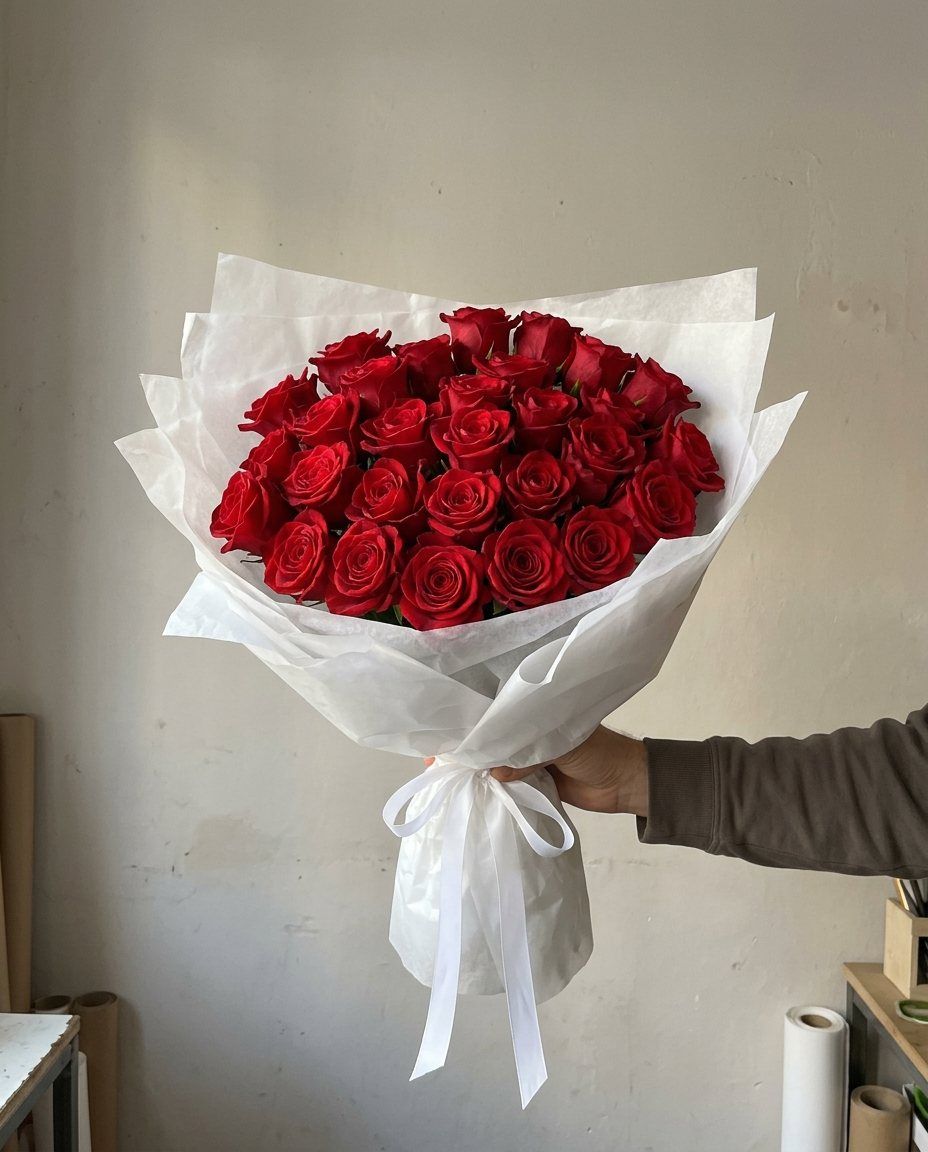
Red roses: romantic love
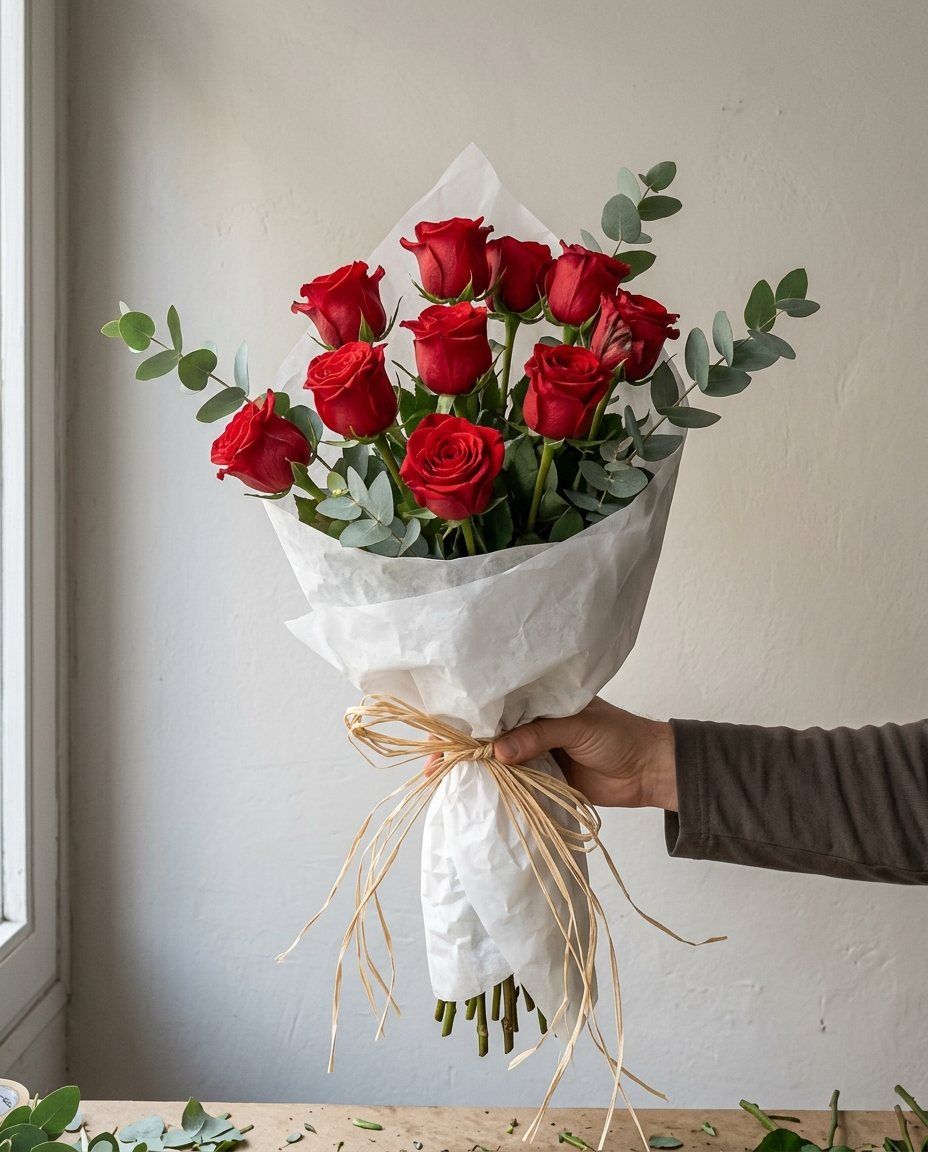
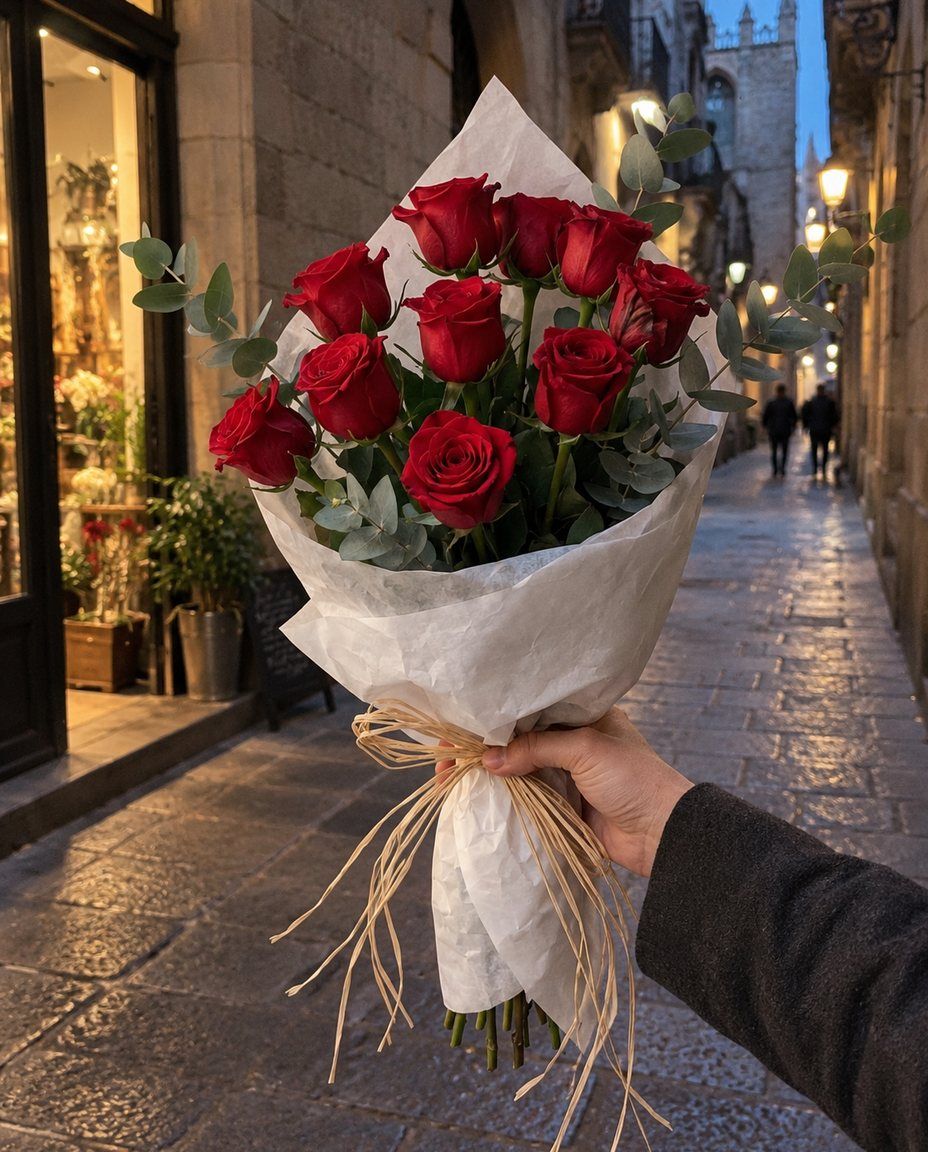
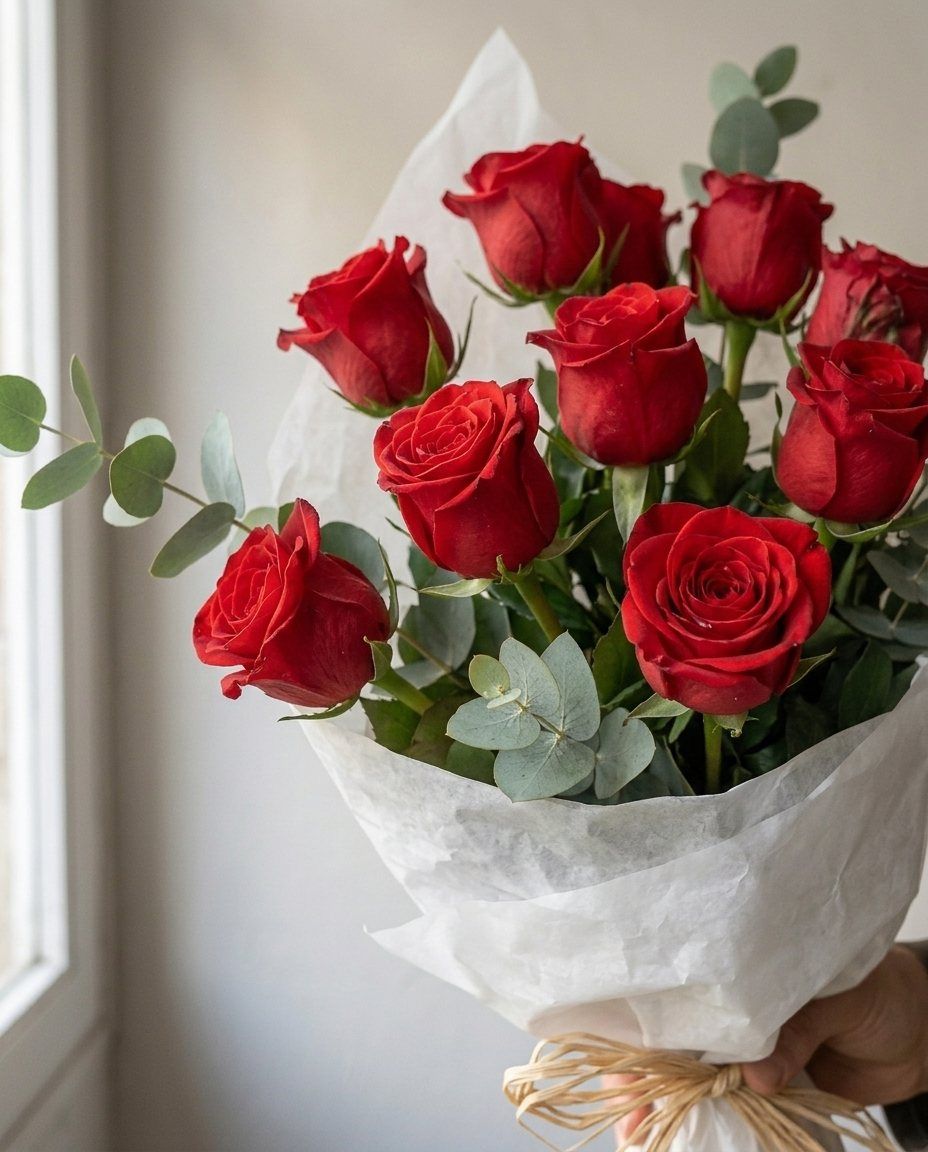
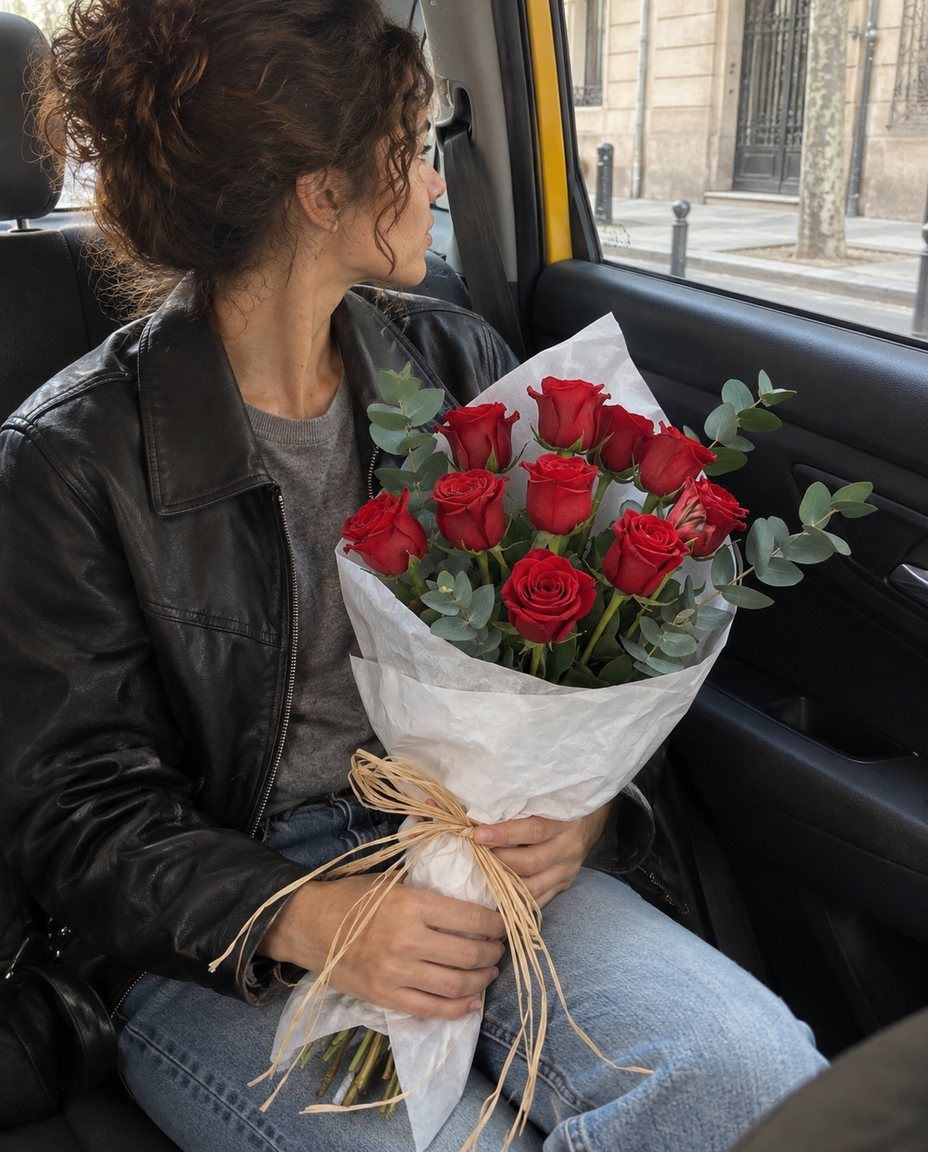
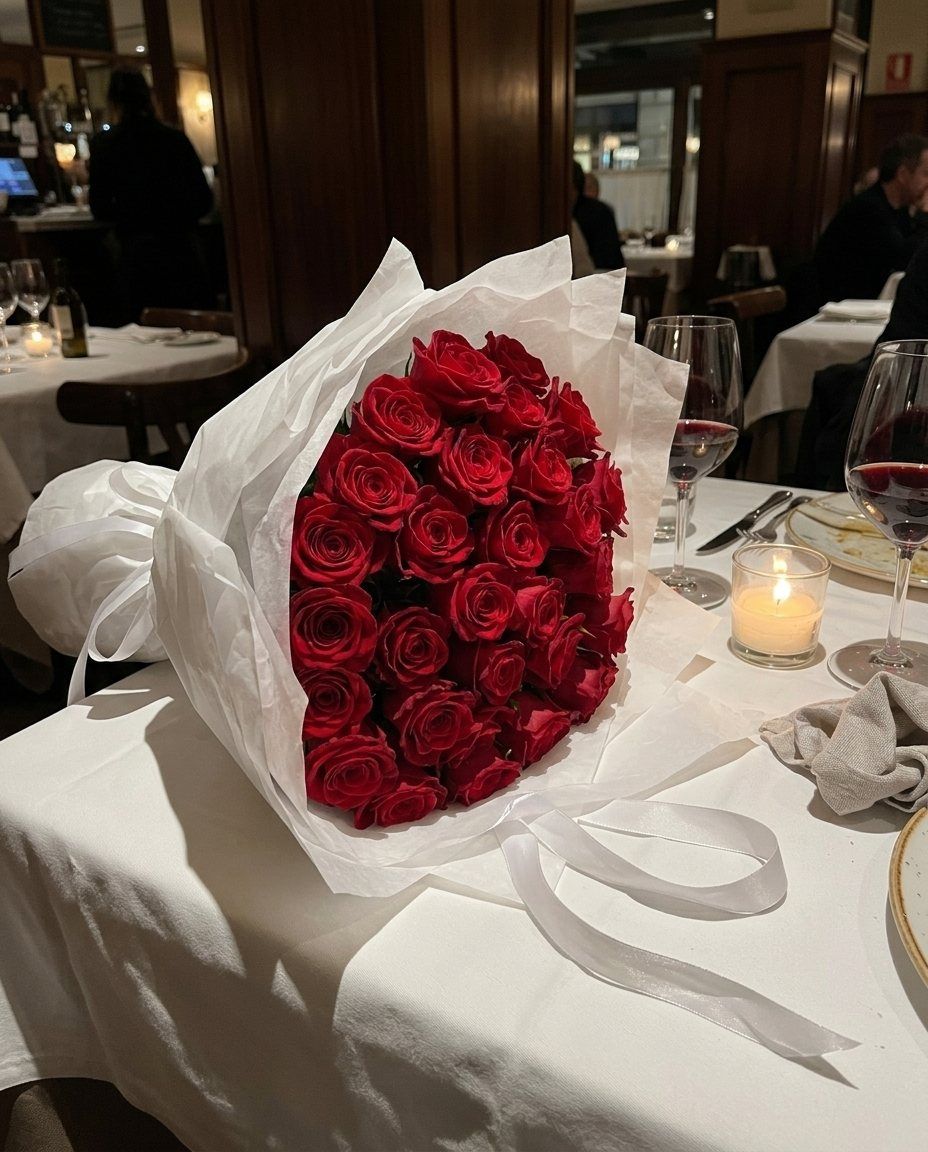
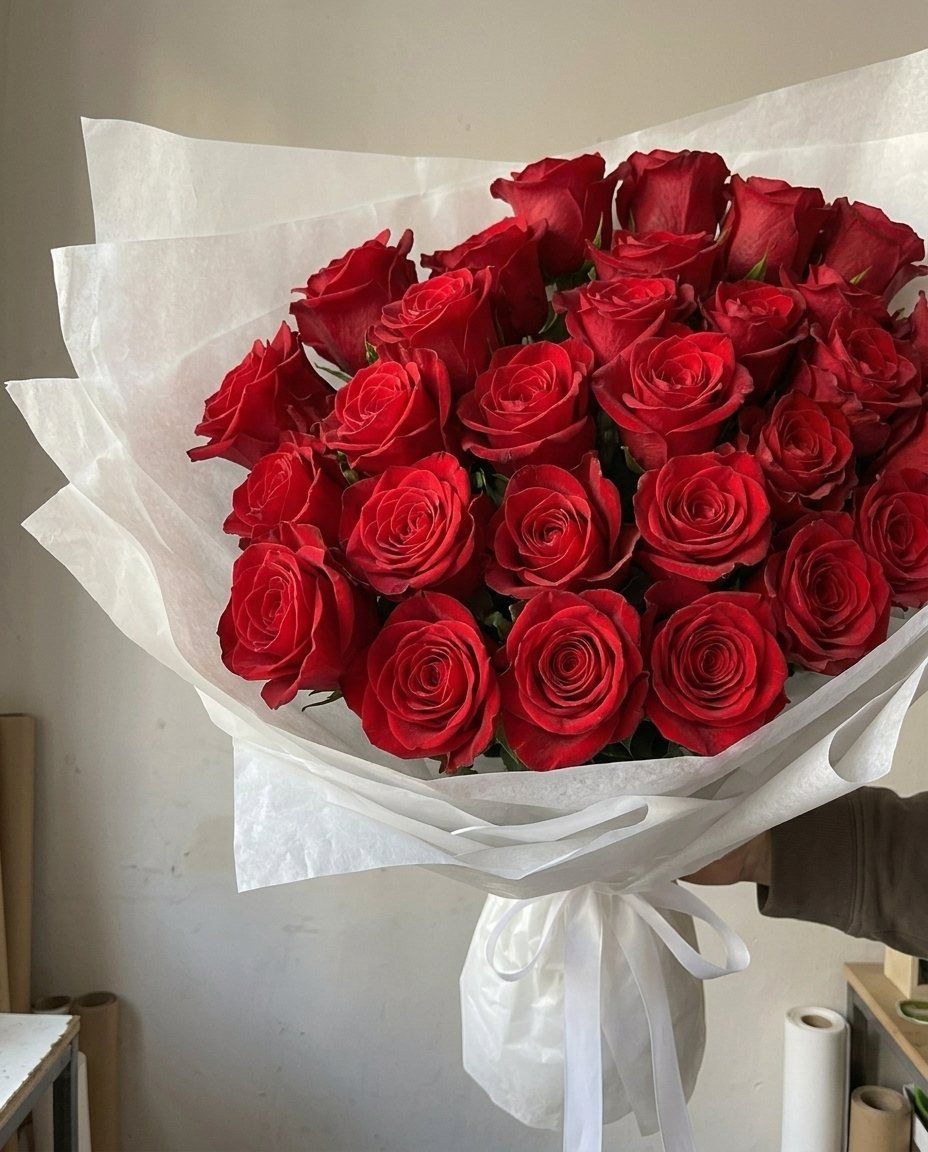
Red roses are associated with love and passion. They are a good choice for a declaration, an anniversary or a gift to your partner when you want your intention to be obvious.
If you barely know each other, think about size too. A small bouquet lets you express interest without turning the delivery into an event. A huge bouquet, especially at work, can feel awkward even if they like the flowers.
To thank someone you know professionally, we recommend other colours unless you know red is their favourite. This reduces the chance of a romantic interpretation.
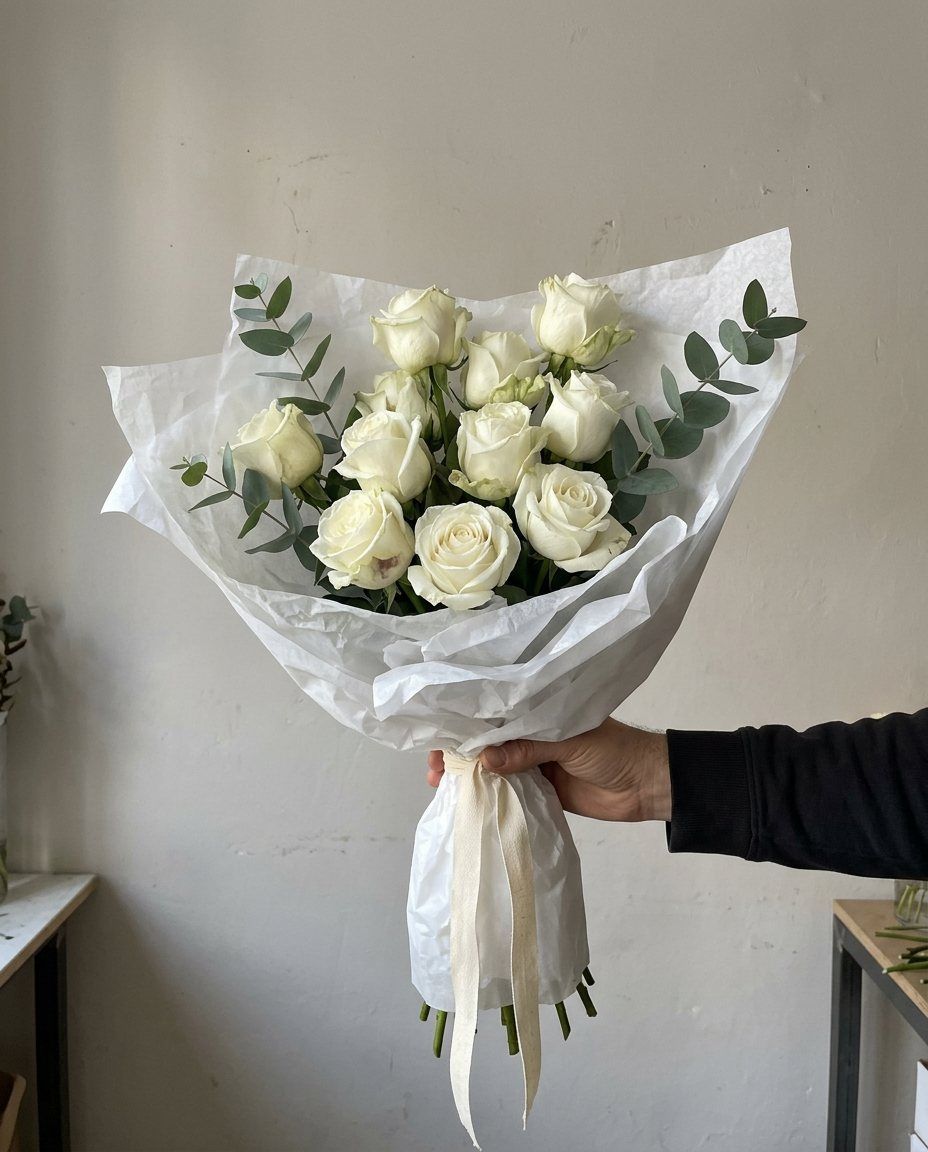
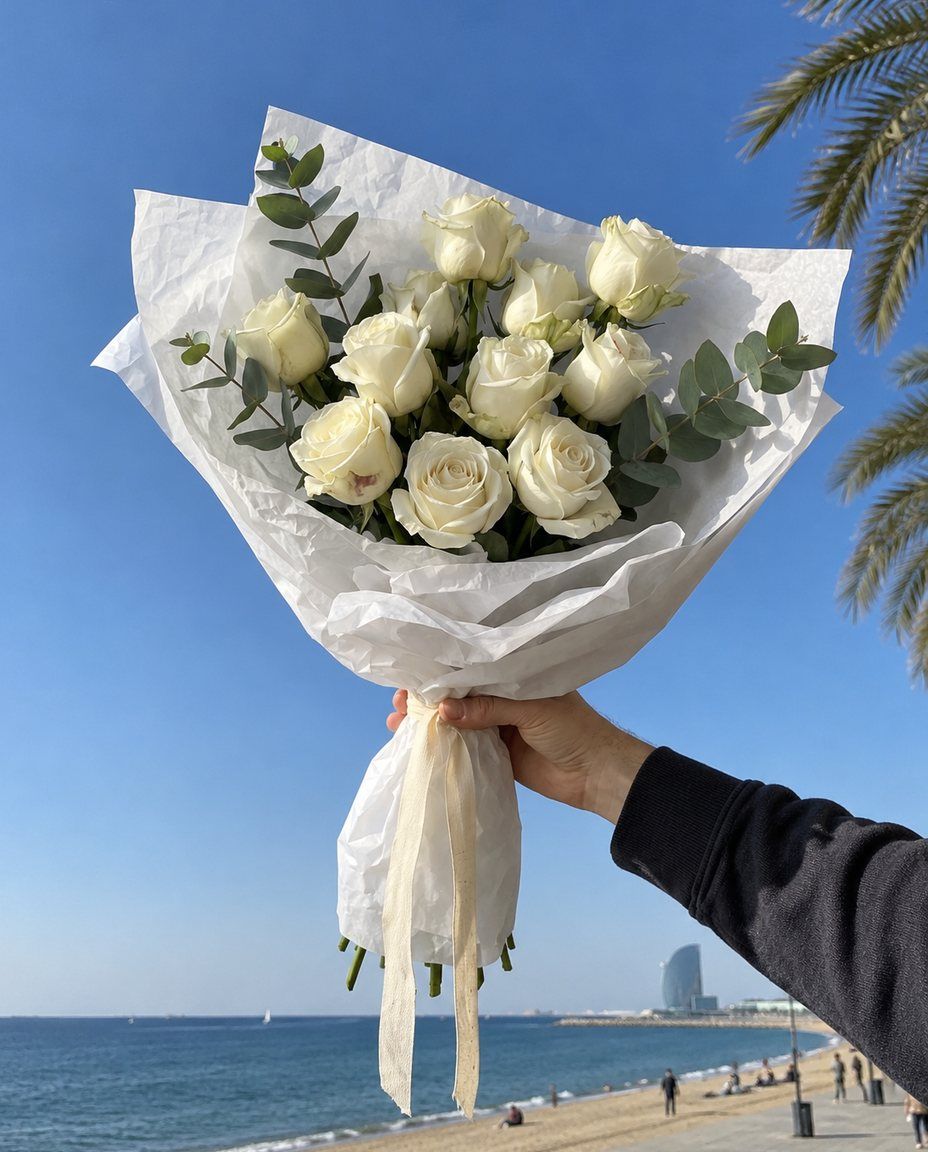
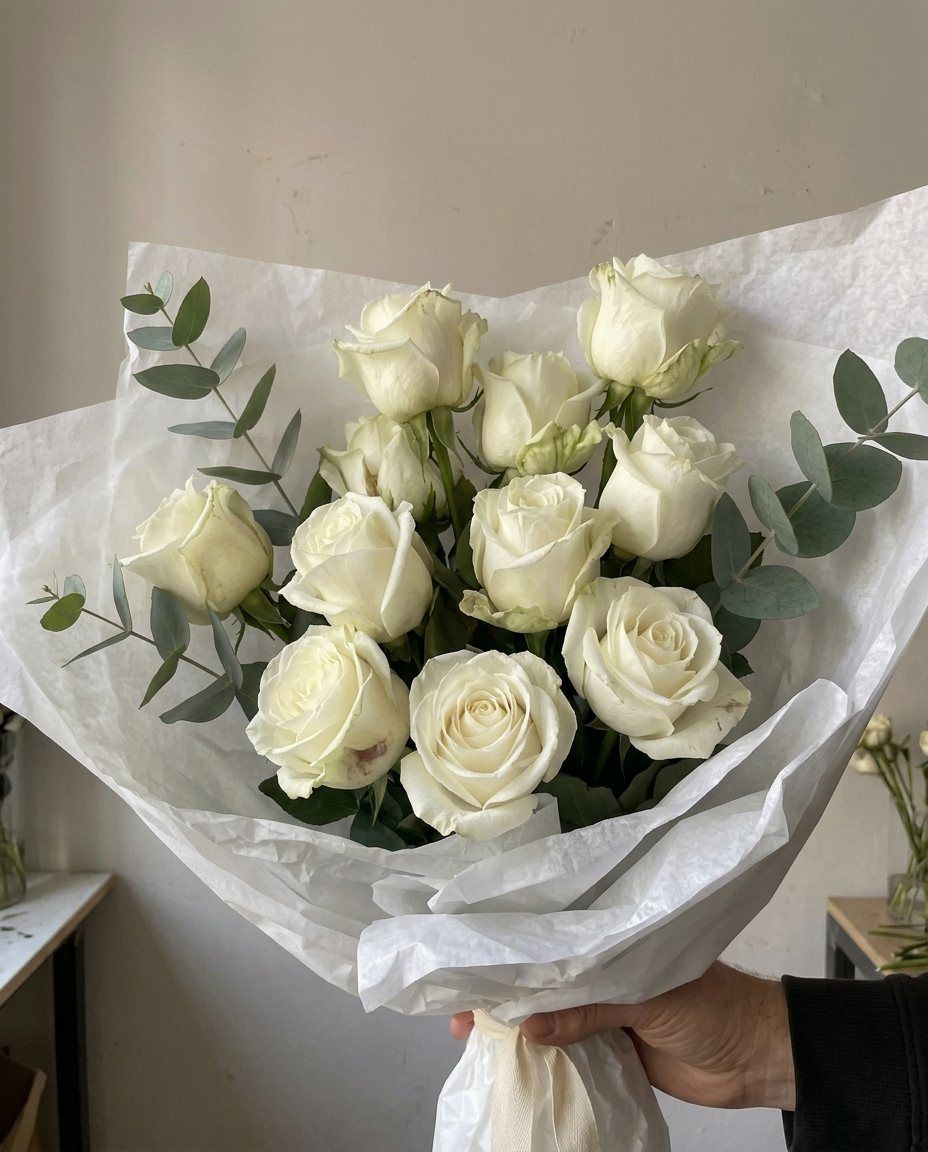
White roses: respect, purity and support
White is associated with purity, new beginnings and weddings; it is also used to express condolences. That does not make a white bouquet a sad message by default.
You can choose it for an understated celebration, for someone who prefers neutral décor or to offer support during a difficult time. What you write makes the occasion clear: ‘Here’s to your new chapter’ says something different from ‘I am here for you during these days’.
If you are looking for flowers for a farewell, see the condolence options and choose a format suited to the delivery location. For a birthday, a personal card helps show that white is an aesthetic choice.
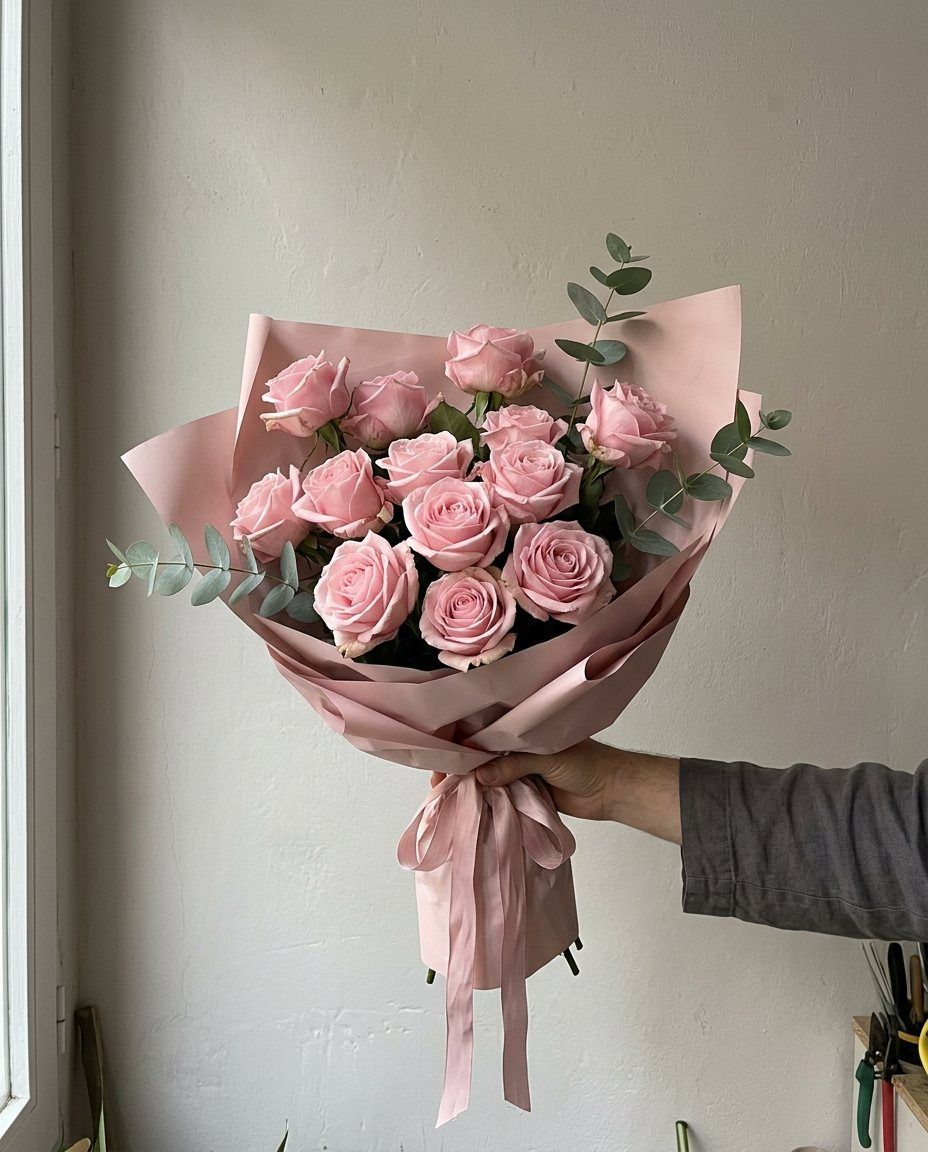
Light pink and dark pink roses: shades of affection
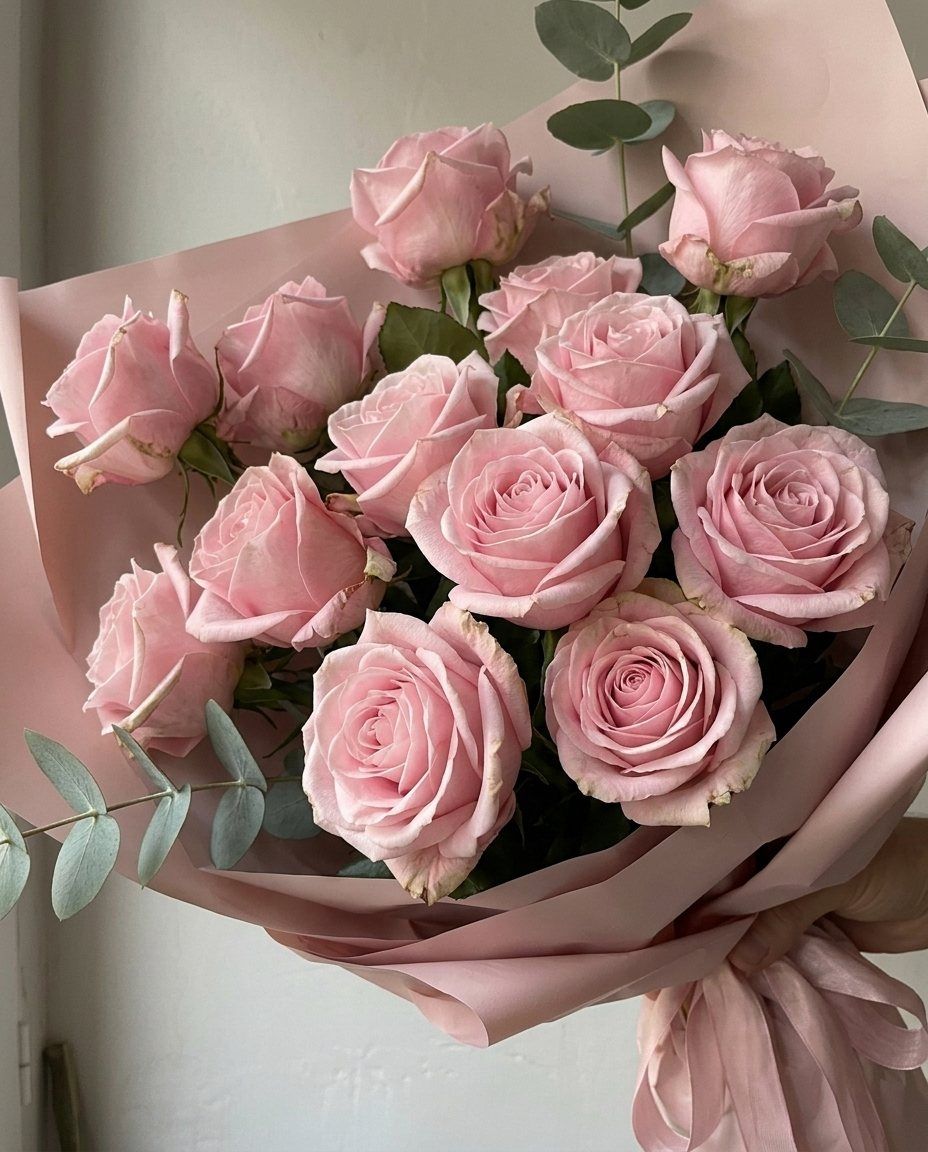
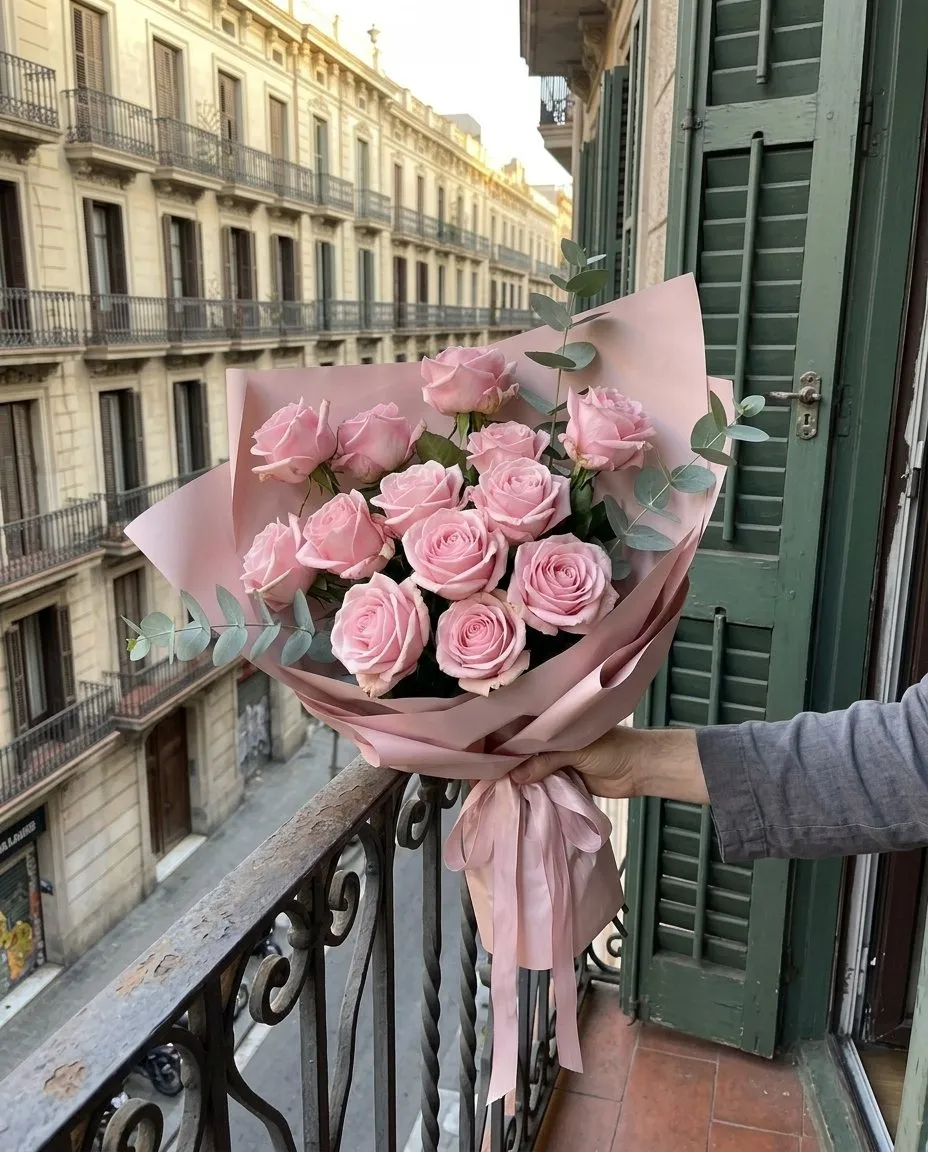
Light pink is often linked to gentleness and admiration; dark pink to gratitude and appreciation.
Our practical suggestions are:
- Light pink: for an affectionate gift, a first date or someone who enjoys soft colours.
- Dark or deep pink: to say thank you, celebrate an achievement or show how much you value someone.
- A mix of pinks: to combine tenderness and joy without relying on an exact shade.
The recipient does not need to distinguish between dusty pink and fuchsia. They should like the bouquet, and the card can express your gratitude precisely.
Yellow, orange and burgundy roses
Yellow. Today, yellow roses usually represent friendship and joy. The association with jealousy appears in Victorian interpretations of the language of flowers. For a friend, family member or welcome gift, we recommend adding a warm message. If you know the person is wary of yellow, choose another colour.
Orange. Orange roses are linked to enthusiasm, energy and attraction. We think they are a good choice for celebrating good news or for someone who prefers bright colours. If you want to avoid a romantic interpretation, state the reason: ‘For that project you brought to life.’
Burgundy. Flower guides link burgundy roses with deep passion and romantic devotion. We recommend these dark colours when you know they are liked, especially for an anniversary. You do not need to attach a greater promise to them than to red roses: you can also choose them for their appearance.
Blue roses: ask about dyeing
The deep blue roses sold by florists are usually dyed flowers: the colour is added, rather than being the petal’s original shade. Ask whether the bouquet contains dyed fresh flowers or preserved flowers, and ask to see the shade before deciding.
Avoid assuming that every blue rose is always dyed: roses with bluish shades have been developed through biotechnology. That is not the same as a rose growing naturally in electric blue.
Their usual symbolism refers to mystery or something difficult to attain. As a gift, we recommend choosing them for a specific preference. Do not assume they will be available or cost the same as the roses in the catalogue.
Mixed roses: the arrangement comes first
In some guides, red and white are interpreted as unity; red and yellow as joy. You can use those meanings as inspiration, but you do not need to assign a word to every flower.
For a birthday, we recommend choosing a combination that suits the person’s tastes. To say thank you clearly, pink, white and yellow make a warm arrangement. If you want a clear declaration, you can make red the main colour.
When ordering, specify what matters: ‘I want soft colours’, ‘Include plenty of yellow’ or ‘I would prefer to avoid red’. That is more useful than asking for a mix with a supposedly exact meaning.
How many roses to give: tradition, not a rule
Interpretations of numbers vary between countries and guides. The guide cited links small bouquets with thoughtful gestures, bouquets of 21–25 roses with celebrations and those of 51–101 with grand declarations of love. Treat this as a gift-giving tradition, not a measure of affection.
| Number | Suggested meaning and possible occasion |
|---|---|
| 1 rose | A gesture focused on someone special. |
| 3 roses | A small gesture for a date or surprise. |
| 7 roses | A sign of thoughtfulness without a huge bouquet. |
| 11 roses | A romantic gift in a manageable size. |
| 21 roses | A celebration, birthday or thank-you gift. |
| 25 roses | An anniversary or a date you want to mark. |
| 51 roses | A striking declaration. |
| 101 roses | A very bulky bouquet that needs space to display it. |
You can also choose a number for an age, anniversary or shared memory. If that number has a story, write it in the card. For large bouquets, check that the person can carry them and has somewhere to put them.
Specific options and a card that makes things clear
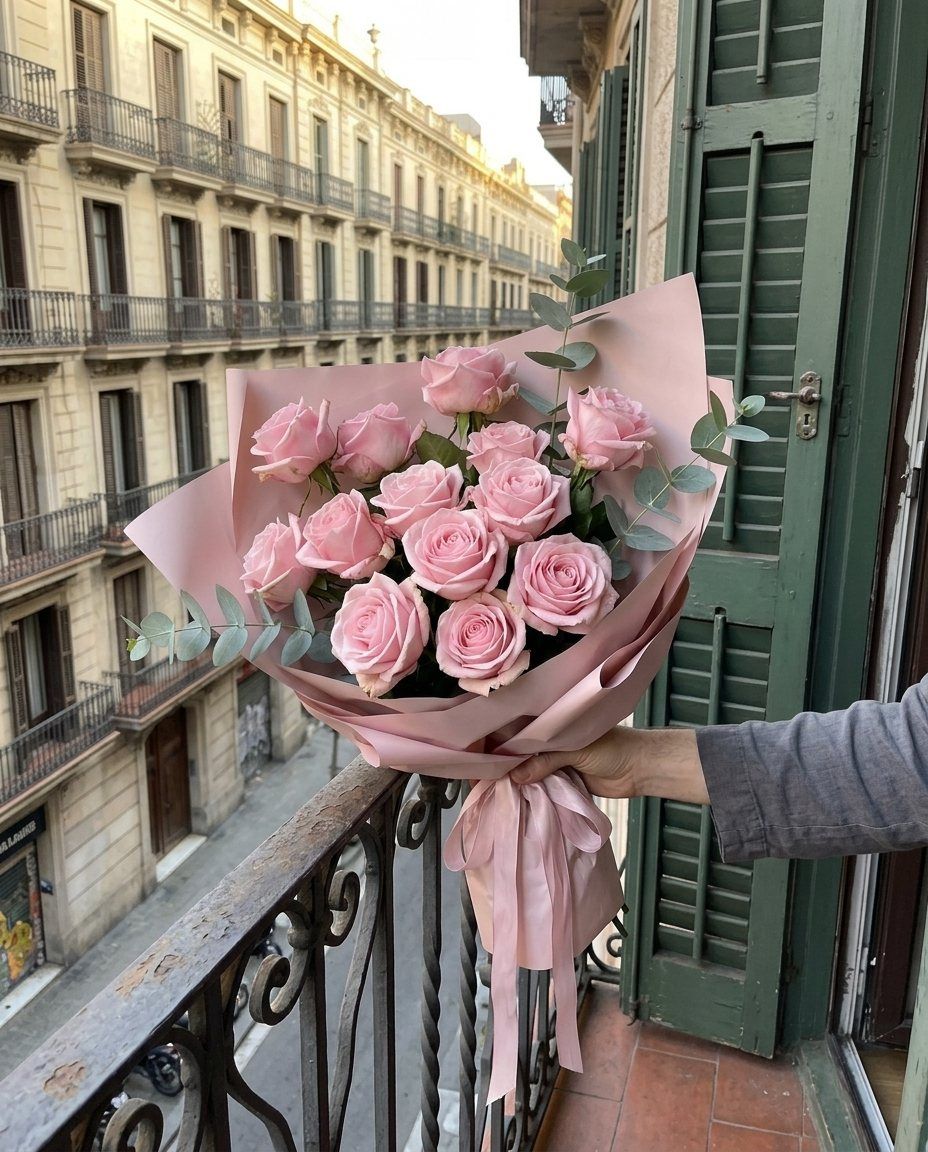
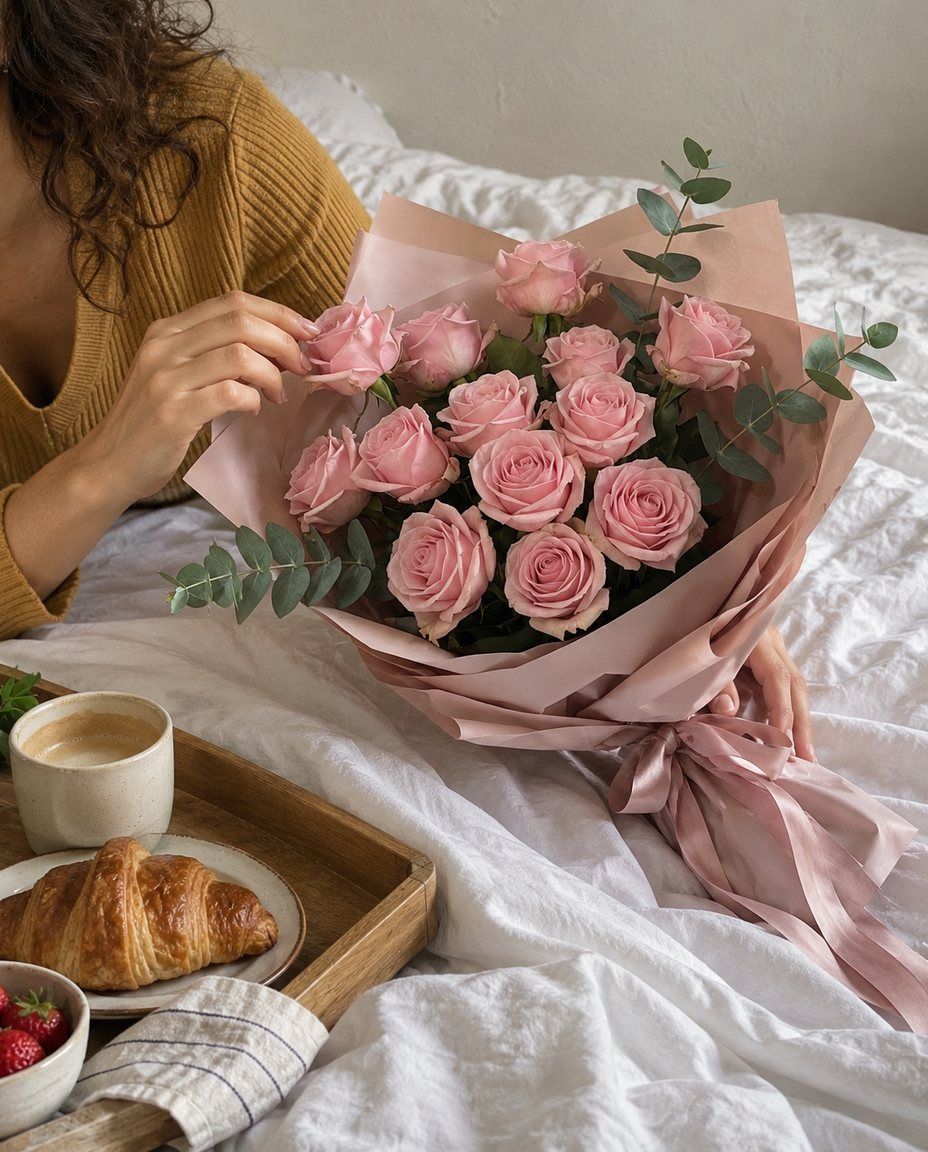
At Espafloria, you can choose 11 red roses for 59 €, 15 pink roses for 49 €, 11 white roses for 59 € and 25 red roses for 99 €. These prices include VAT; the card is free.
You can write ‘Thank you for always being there’, ‘I am excited to keep getting to know you’ or ‘Here’s to another year together’. A sincere phrase saves the recipient from having to decode the bouquet.
Delivery in Barcelona is free on orders of 75 € or more (see the current price on the delivery page); collection from any of our shops is free. Large bouquets, such as the 101-rose bouquet, are prepared for the following day. Check the delivery terms before planning the surprise.
Frequently asked questions
Which rose colour should you give if you want to avoid a romantic message?
Yellow for friendship or pink to say thank you. Add a card explaining the reason for the gift.
What is the difference between light pink and dark pink roses?
Light pink is usually associated with tenderness and admiration; dark pink with gratitude and appreciation.
Do yellow roses mean jealousy?
That is a historical interpretation; today they usually express friendship and joy. If the person still makes that association, choose their favourite colour.
Are blue roses natural?
Deep blue roses are usually dyed. Roses with bluish shades have been produced through biotechnology, so ask how the colour was achieved.
Does it matter how many roses I give?
The number may have a traditional meaning, but there is no compulsory code. Choose based on your budget, the occasion and what is practical for the recipient.